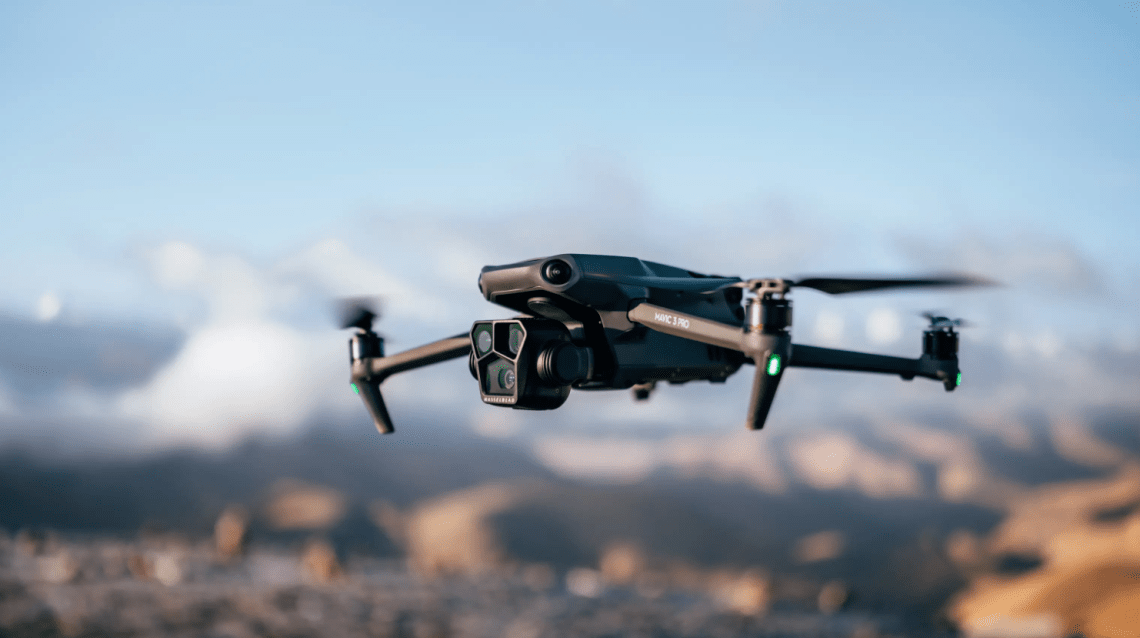
Your drone company just won a contract for infrastructure inspection across five European countries. The client is a major utility company, the revenue is substantial, and operations start in 30 days.
Then legal sends over the GDPR compliance checklist. 47 pages. Data Protection Impact Assessments. Privacy by Design requirements. Cross-border data transfer protocols. Breach notification timelines measured in hours, not days.
Non-compliance fines start at €20 million or 4% of annual global revenue—whichever is higher.
Suddenly that profitable European contract looks like a compliance minefield that could bankrupt your company with a single regulatory violation.
The GDPR Reality for Drone Operations
The General Data Protection Regulation (GDPR) fundamentally changed how any organization—including drone operators—must handle data involving European Union citizens. But most drone operators approach GDPR with a dangerous misconception:
“We’re just collecting images for inspections. Privacy regulations don’t apply to us.”
Wrong. Catastrophically wrong.
GDPR applies whenever your drone operations involve processing personal data of EU residents—regardless of where your company is based. It doesn’t matter if you’re a U.S. company operating a drone in Kansas. If that drone captures images of a European tourist, if you transfer data to European clients, or if you process information about EU citizens, GDPR compliance is mandatory.
What Counts as Personal Data in Drone Operations
The GDPR definition of personal data is deliberately broad: “Any information relating to an identified or identifiable natural person.”
In drone operations, this includes:
Obviously Identifiable Data
- Facial images (even if unintentional)
- Vehicle license plates (captured in aerial footage)
- Street addresses and house numbers
- GPS coordinates of private property
- Audio recordings of conversations
Data That Makes Individuals Identifiable
- Property characteristics that identify owners
- Location patterns showing residential addresses
- Thermal signatures identifying human presence
- WiFi/Bluetooth signals from devices
- IP addresses collected by drones serving as wireless platforms
- Metadata tagging images to specific locations and times
The Critical Distinction
Blurring faces doesn’t automatically make data non-personal. If a house number, car in the driveway, distinctive property features, or geographic context allows identification, the data remains personal under GDPR—even with faces obscured.
Example: You blur all faces in aerial construction site footage. But the footage shows a supervisor’s distinctive truck with company logo, parked in their assigned spot, visible at the time their location data shows them on-site. The supervisor is identifiable. GDPR applies.
The Six Core GDPR Principles That Govern Drone Data
1. Lawfulness, Fairness, and Transparency
What it means: You must have a legal basis for collecting personal data, process it fairly, and inform people that data collection is occurring.
For drone operations:
- Post visible signage at operational sites announcing drone activity
- Maintain public-facing privacy policies explaining data collection
- Document your legal basis (consent, legitimate interest, contractual necessity, etc.)
- Provide contact information for privacy inquiries
Common violation: Operating a drone over residential areas without notification that aerial data collection is occurring. The GDPR doesn’t require you to obtain consent from everyone you might film—but it does require transparency about your activities.
2. Purpose Limitation
What it means: Data collected for one purpose cannot be repurposed without meeting specific legal requirements.
For drone operations:
- You fly a drone to inspect utility infrastructure
- You capture footage that also shows nearby businesses
- You cannot then sell that business location data to a marketing company without additional legal basis
Implementation: Document the specific purpose for each flight. Segregate incidental data from mission-critical data. Establish clear retention and disposal procedures for incidental captures.
3. Data Minimization
What it means: Collect only the data necessary for your stated purpose.
For drone operations:
- If inspecting a roofline, limit camera angle to the roof—don’t capture neighboring properties
- Use the minimum resolution necessary for the inspection task
- Disable audio recording if sound is not required for the mission
- Employ geo-fencing to restrict flight to necessary areas only
Technology solution: Privacy by Design—configure drones to automatically limit data collection to mission requirements. This might include:
- Automated camera angle restrictions
- Resolution limitations based on inspection requirements
- Geo-fencing preventing flight over non-target areas
- Automatic blurring of peripheral areas
4. Accuracy
What it means: Personal data must be accurate and kept up to date.
For drone operations:
- Verify metadata accuracy (timestamps, locations)
- Implement procedures to correct errors in captured data
- Maintain audit trails showing data accuracy verification
- Enable data subjects to request correction of inaccurate information
Why it matters: If your drone footage misidentifies a property or person, and that error causes harm, you’re liable under GDPR for failing to ensure accuracy.
5. Storage Limitation
What it means: Keep personal data only as long as necessary for the stated purpose.
For drone operations:
- Define retention periods before data collection begins
- Implement automatic deletion procedures
- Document reasons for extended retention (legal holds, contractual requirements)
- Distinguish between raw operational data and processed deliverables
Common violation: “We keep all our drone footage indefinitely for potential future use.” This violates storage limitation. You must establish defined retention periods and dispose of data accordingly.
Typical retention framework:
- Raw mission footage: 30-90 days unless contractually required longer
- Processed deliverables: Duration of contract plus legal retention period
- Incidental captures of personal data: Deleted within 30 days unless required for specific legal purpose
- Evidence or compliance documentation: Retained per legal requirements with documented justification
6. Integrity and Confidentiality (Security)
What it means: Protect personal data against unauthorized access, alteration, or destruction.
For drone operations:
Technical safeguards:
- Encrypted data storage and transmission
- Secure cloud storage with access controls
- Multi-factor authentication for data access
- Regular security audits and penetration testing
- Automated backup and disaster recovery
Organizational safeguards:
- Limited access based on role
- Staff training on data protection
- Confidentiality agreements with employees and contractors
- Incident response procedures
- Third-party vendor security assessments
Physical safeguards:
- Secure storage of physical devices (SD cards, hard drives)
- Controlled access to data centers
- Encryption of portable storage devices
- Secure disposal procedures for end-of-life equipment
The Data Protection Impact Assessment (DPIA) Requirement
GDPR requires a DPIA for operations “likely to result in high risk to the rights and freedoms of natural persons.”
Drone operations that trigger DPIA requirements:
- Systematic monitoring of publicly accessible areas at large scale
- Processing large volumes of personal data
- Operations involving sensitive locations (residential areas, schools, medical facilities)
- Use of new technologies or innovative applications of existing technologies
- Operations where individuals have no reasonable ability to avoid data collection
What a DPIA must include:
- Systematic description of planned processing:
- What data will be collected
- Why it’s being collected
- How it will be used
- Who will have access
- How long it will be retained
- Assessment of necessity and proportionality:
- Why the data collection is necessary for the stated purpose
- Whether the purpose could be achieved with less invasive methods
- How the benefits outweigh the privacy risks
- Risk assessment:
- Identify potential harms to individuals
- Evaluate likelihood and severity of those harms
- Consider cumulative effects of data collection
- Mitigation measures:
- Technical controls to minimize data collection
- Organizational procedures to protect privacy
- Transparency measures to inform affected individuals
- Plans for addressing identified risks
When to conduct DPIAs:
- Before launching new drone service offerings
- When expanding into new geographic areas or operational contexts
- When deploying new drone technology or sensors
- When changing data processing procedures
- Annually as part of compliance review
Who should conduct DPIAs:
- Data Protection Officer (if appointed)
- Operations manager with privacy training
- External privacy consultants for complex operations
- Legal counsel for high-risk operations
Cross-Border Data Transfers: The Hidden Compliance Trap
Your U.S.-based company flies a drone in Germany, capturing footage for a Dutch client, processed by a contractor in Romania, stored on servers in Ireland, accessed by engineers in the United States.
Each data transfer across borders triggers GDPR compliance requirements.
Transfers Within the EU/EEA
Generally permitted without additional safeguards (all EU/EEA countries provide adequate protection under GDPR).
Transfers to “Adequate” Third Countries
The EU has determined certain countries provide adequate data protection:
- United Kingdom
- Switzerland
- Japan
- South Korea
- Canada (commercial organizations under PIPEDA)
- Israel
- New Zealand
- Argentina
- Uruguay
Transfers to these countries are generally permitted without additional mechanisms.
Transfers to Countries Without Adequacy Decisions (Including the United States)
Requires one of the following legal mechanisms:
1. Standard Contractual Clauses (SCCs): EU-approved contract templates that establish data protection obligations for the recipient.
Requirements:
- Execute SCCs with data recipient before transfer
- Conduct Transfer Impact Assessment evaluating legal protections in destination country
- Implement supplementary measures if needed
- Document compliance
2. Binding Corporate Rules (BCRs): Internal rules adopted by multinational companies for transfers within corporate group.
Requirements:
- Formal approval from EU data protection authorities
- Legally binding on all entities in corporate group
- Enforcement mechanisms and data subject rights
- Significant administrative burden—typically only viable for large enterprises
3. Explicit Consent: Individual consent from data subjects for specific transfers.
Requirements:
- Freely given, specific, informed consent
- Clear explanation of risks
- Documented consent record
- Right to withdraw consent
Limitations: Impractical for most commercial drone operations where data subjects are incidentally captured.
4. Contractual Necessity: Transfer necessary for performance of contract with data subject.
Example: European client contracts with U.S. drone operator for property inspection. Transfer of property images to U.S. for processing is contractually necessary.
The U.S.-EU Data Privacy Framework
Status as of 2025: Reinstated framework providing adequacy for transfers from EU to participating U.S. organizations.
Requirements for U.S. drone companies:
- Self-certify compliance with Framework principles
- Commit to cooperation with EU data protection authorities
- Provide privacy policy meeting Framework requirements
- Renew certification annually
Benefits:
- Simplified data transfers from EU to U.S.
- Reduced legal complexity versus SCCs
- Enhanced credibility with EU clients
Limitations:
- Only covers EU-to-U.S. transfers
- Requires active maintenance of certification
- Subject to political and legal challenges
Privacy by Design: Building Compliance Into Operations
GDPR requires Privacy by Design: data protection measures must be integrated into processing activities from the outset, not bolted on afterward.
For drone operations, this means:
Hardware Configuration
Privacy-enhancing technology integration:
- Cameras with automatic blurring capabilities
- Adjustable resolution based on mission requirements
- Directional microphones limiting audio capture range
- Privacy indicator lights visible from ground
Geo-fencing and flight restrictions:
- Pre-programmed no-fly zones over sensitive areas
- Altitude restrictions preventing low-level residential capture
- Flight path limitations minimizing peripheral data collection
Software and Data Processing
Automated privacy protection:
- Facial recognition and automatic blurring algorithms
- License plate detection and redaction
- Metadata stripping from final deliverables
- Secure data pipelines with encryption
Access controls:
- Role-based access to captured data
- Audit logging of data access and use
- Automatic data deletion at end of retention period
- Segmentation of personal data from operational data
Operational Procedures
Mission planning:
- DPIA completion before operations
- Notification procedures for affected areas
- Flight scheduling minimizing privacy impact
- Alternative methods assessment
Data handling:
- Minimal retention defaults
- Automatic anonymization where feasible
- Clear deletion procedures
- Third-party processing agreements
The 72-Hour Breach Notification Requirement
GDPR requires notification of data breaches to supervisory authorities within 72 hours of becoming aware of the breach—and notification to affected individuals “without undue delay” if the breach poses high risk.
Drone operation breach scenarios:
Scenario 1: Lost drone with SD card Drone crashes in inaccessible area. SD card contains property inspection footage showing residents, addresses, and location data.
Required actions:
- Document when loss was discovered
- Assess data on lost device and potential risks
- Notify supervisory authority within 72 hours if personal data exposure poses risk
- Notify affected individuals if high risk
- Document incident and response
Scenario 2: Hacked cloud storage Unauthorized access to cloud storage containing drone footage from 100+ inspection flights.
Required actions:
- Immediately secure compromised systems
- Assess extent of data accessed
- Notify supervisory authority within 72 hours
- Notify affected individuals of breach and mitigation steps
- Preserve forensic evidence
- Review security measures and implement improvements
Scenario 3: Employee misuse Pilot shares inspection footage on social media without authorization, revealing residential properties and vehicles.
Required actions:
- Immediate removal of posted content
- Assess data exposure and identifiability
- Determine if notification threshold is met
- Implement disciplinary action
- Review training and access controls
Critical compliance elements:
- Incident response plan must exist before breaches occur
- All staff must know how to report potential breaches immediately
- Legal counsel should be involved in breach assessment
- Documentation is essential—regulators will review your response process
- “72 hours” means 72 hours, not business days—weekends count
Transparency and Data Subject Rights
GDPR grants individuals extensive rights regarding their personal data.
For drone operators, you must enable:
Right to Information
Individuals have the right to know:
- What data you collect
- Why you collect it
- How long you retain it
- Who you share it with
- Their rights regarding the data
Implementation:
- Publish privacy policy on your website
- Post signage at operational sites
- Include privacy information in client materials
- Provide contact information for privacy inquiries
Right of Access
Individuals can request copies of their personal data.
Implementation:
- Establish process for receiving and verifying requests
- Retrieve all personal data held about requester
- Provide data in accessible format
- Respond within one month (extendable to three months for complex requests)
Challenge for drone operations: Searching hours of aerial footage for incidental appearances of a specific individual is resource-intensive. Privacy by Design (limiting peripheral capture) reduces this burden.
Right to Rectification
Individuals can request correction of inaccurate data.
Implementation:
- Verify accuracy of challenged data
- Correct confirmed inaccuracies
- Notify third parties who received the data of corrections
- Document corrections made
Right to Erasure (“Right to be Forgotten”)
Individuals can request deletion of their data in certain circumstances.
Implementation:
- Assess whether legal obligation to retain exists
- Delete data if no valid retention reason
- Notify third parties of deletion
- Document deletion completion
Exceptions: Legal obligations, public interest, or legitimate business needs may override deletion requests.
Right to Restriction of Processing
Individuals can request limits on data use while accuracy is verified or while objections are considered.
Implementation:
- Flag restricted data to prevent use
- Maintain data but limit access
- Resolve underlying issue before resuming processing
Right to Object
Individuals can object to data processing based on legitimate interests or direct marketing.
Implementation:
- Cease processing unless compelling legitimate grounds demonstrated
- Document objections and responses
- Respect valid objections permanently
Training Requirements: The Human Element
Technology and policies don’t ensure compliance—trained people do.
Essential training for drone operation staff:
All Personnel
- GDPR principles and company obligations
- Personal data identification in drone operations
- Incident reporting procedures
- Privacy by Design principles
- Data subject rights and how to respond
Pilots and Operators
- Minimizing incidental data capture
- Privacy-aware flight planning
- Data handling and secure storage
- Breach recognition and reporting
- Transparency obligations (signage, notifications)
Data Processors
- Secure data handling procedures
- Anonymization techniques
- Retention and deletion requirements
- Third-party sharing restrictions
- Cross-border transfer compliance
Management
- DPIA requirements and process
- Risk assessment frameworks
- Breach notification procedures
- Regulatory authority interaction
- Third-party vendor assessment
Training frequency: Annual comprehensive training with quarterly updates on regulatory changes and incident lessons learned.
The International Operations Checklist
Before conducting drone operations involving EU personal data:
☐ Legal Basis Determination
- Document lawful basis for data processing
- Obtain consent if required
- Establish legitimate interest assessment if applicable
☐ Data Protection Impact Assessment
- Conduct DPIA for high-risk operations
- Document risks and mitigation measures
- Review and approve before operations commence
☐ Privacy by Design Implementation
- Configure equipment for minimal data capture
- Implement technical privacy safeguards
- Establish data minimization procedures
☐ Transparency Measures
- Publish privacy policy
- Post operational signage
- Notify affected parties where feasible
☐ Data Security
- Implement encryption and access controls
- Establish secure storage and transmission
- Deploy breach detection and response procedures
☐ Cross-Border Transfer Mechanisms
- Execute Standard Contractual Clauses if needed
- Conduct Transfer Impact Assessment
- Document adequacy or legal basis for transfers
☐ Data Subject Rights Procedures
- Establish request intake process
- Train staff on response requirements
- Document rights exercise procedures
☐ Third-Party Agreements
- Execute data processing agreements with contractors
- Verify processor compliance
- Establish liability and indemnification terms
☐ Staff Training
- Conduct GDPR awareness training
- Provide role-specific compliance training
- Document training completion
☐ Documentation and Records
- Maintain records of processing activities
- Document DPIAs
- Retain consent records
- Log data subject requests and responses
☐ Breach Response Planning
- Establish incident response procedures
- Identify notification authorities
- Prepare breach notification templates
- Test response procedures
The Consequences of Non-Compliance
GDPR enforcement is real, and fines are substantial.
Tier 1 Violations (up to €10 million or 2% of global annual revenue):
- Failure to implement Privacy by Design
- Inadequate data security measures
- Failure to appoint DPO when required
- Insufficient cooperation with supervisory authority
Tier 2 Violations (up to €20 million or 4% of global annual revenue):
- Violating core GDPR principles
- Unlawful processing of personal data
- Violating data subject rights
- Unauthorized cross-border data transfers
Beyond fines:
- Litigation costs from data subjects
- Reputational damage
- Loss of client trust and business
- Operational restrictions or processing bans
- Criminal liability in certain jurisdictions
Real enforcement examples:
- €50 million fine to Google (2019) for transparency violations
- €746 million fine to Amazon (2021) for behavioral advertising violations
- €1.2 billion fine to Meta (2023) for inadequate cross-border transfer safeguards
The lesson: GDPR enforcement authorities issue substantial fines to both large corporations and smaller operators. Company size is no protection from compliance requirements.
Moving Forward: Building Compliant International Operations
The pathway to GDPR compliance:
- Assess current operations against GDPR requirements
- Identify gaps in policies, procedures, and technical controls
- Implement Privacy by Design in equipment and operations
- Establish procedures for data subject rights
- Execute cross-border transfer mechanisms where required
- Train all personnel on compliance obligations
- Document everything—compliance is demonstrated through documentation
- Review and update regularly as operations and regulations evolve
GDPR compliance is not a one-time project—it’s an ongoing operational requirement. Technology changes, regulations evolve, and new risks emerge. Maintaining compliance requires continuous attention and periodic reassessment.
For drone operators, the investment in GDPR compliance is significant. But the cost of non-compliance—€20 million fines, client loss, operational restrictions—is catastrophic.
The companies that thrive in international drone operations are those that treat privacy compliance as a competitive advantage, not a burden. Clients increasingly demand demonstrated GDPR compliance before awarding contracts. Regulatory authorities prioritize operators who demonstrate proactive compliance over those who react only when violations are discovered.
Privacy compliance is part of operational excellence—and operational excellence is what separates successful international drone operations from companies that face regulatory action.