Drone Training for Fire Departments and Public Safety Teams
On-site drone training for fire departments, EMS agencies and search and rescue teams. FAA Certified Flight Instructors come to your station, in any state, and train your crews to fly safely and legally on real incidents, day or night.
Drone Universities Courses
5.00 (20K+ Joined)
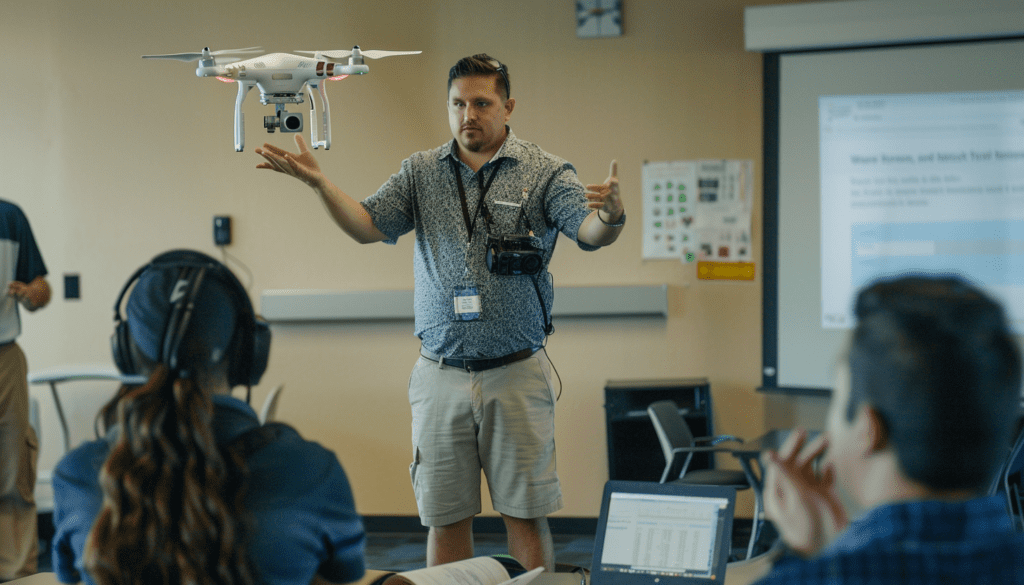
FAA Part 107 Training
Prepare yourself for the FAA Part 107 Knowledge Test. Learn to fly, how to understand industry-standard flight systems, and most importantly, safe and legal flying practices. If you do not pass the FAA Part 107 exam after completing our training, we will either refund your training fee or retrain you at no additional cost.
DJI Mini 4K included!
Duration
$2,500
4.79 (5.4K Joined)
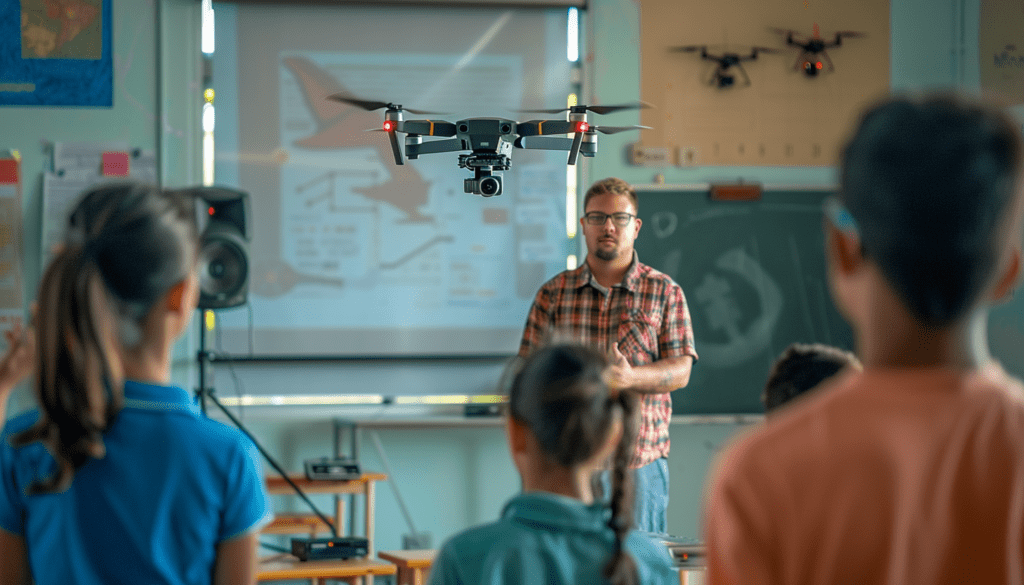
Advanced Aerial Inspections and Cinematography
This one-day course teaches you advanced aerial photography and videography. All classes are taught by working professionals. Learn what it takes to get great shots for clients like Discovery Channel and National Geographic.
Duration
$1,000
4.96 (2.6K Joined)
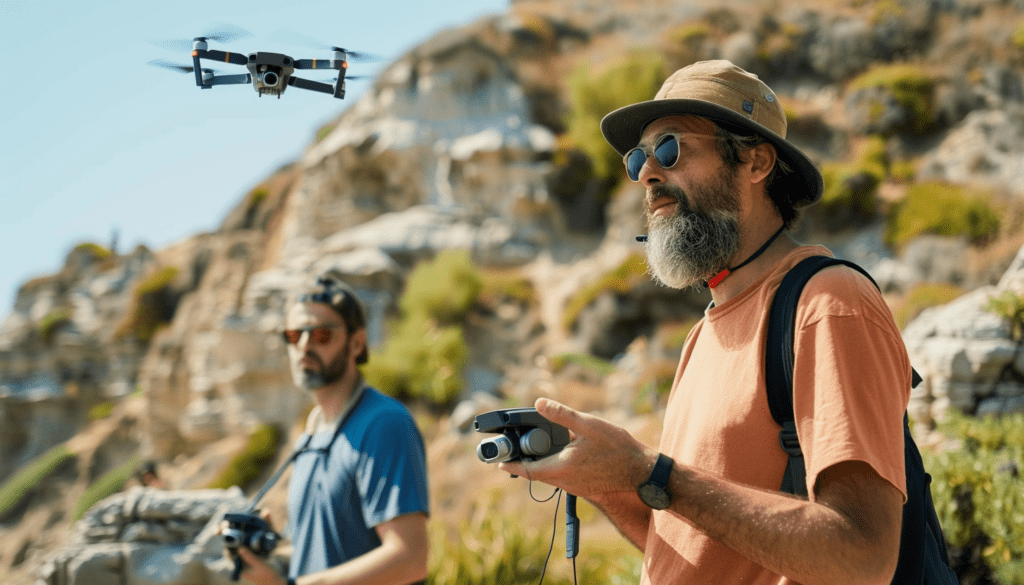
This one-day course teaches you all about GIS. You will learn everything you need to successfully collect usable data on your flights. We’ll guide you through planning and flying successful operations, programing flight patterns.
Duration
$1,000
4.87 (1.6K+ Joined)
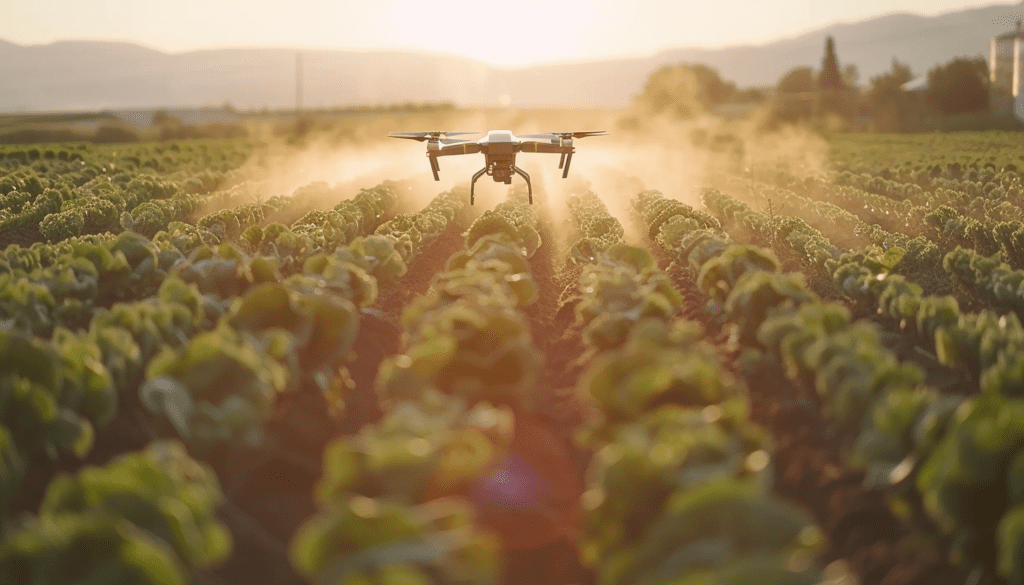
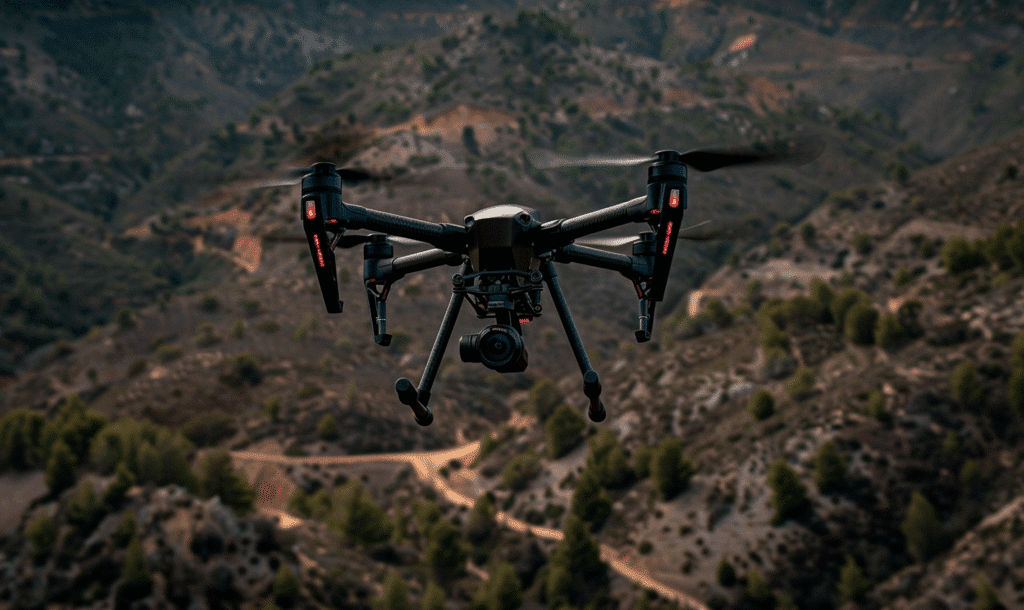
Drones in Agriculture
Join Drone Universities’ one-day Drones in Agriculture course. Learn precision flights, multispectral imaging, and field methodology to boost crop yield. Sign up now!
Duration
$1,000
4.92 (3.6K Joined)
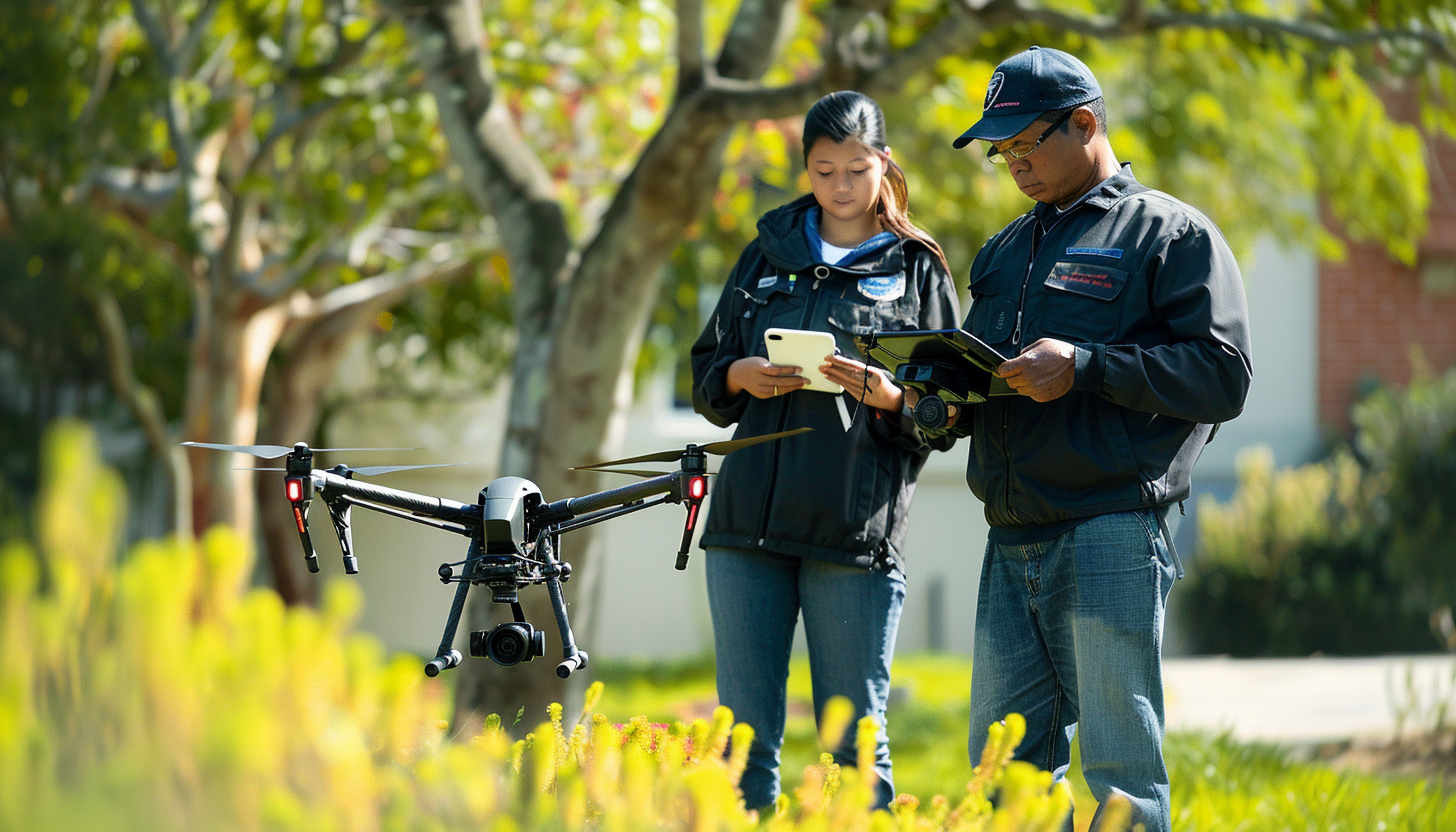
Drones for Construction and Inspection
Join Drone Universities’ one-day Drones for Construction and Inspection course. Learn drone mapping to reduce errors, save costs, and improve safety in construction and wildfire tracking.
Duration
$1,000
4.82 (2.6K Joined)
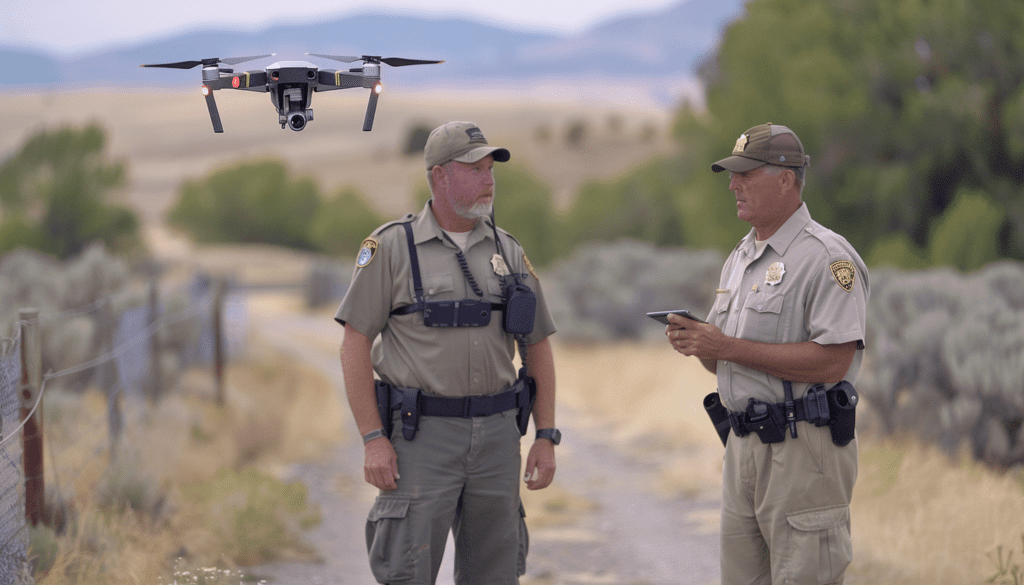
Drones for Public Safety and Transportation
Learn to use drones for infrastructure inspection and planning. Our one-day course improves public safety and transportation by saving time, money, and resources.
Duration
$1,000
4.82 (3.7K+ Joined)
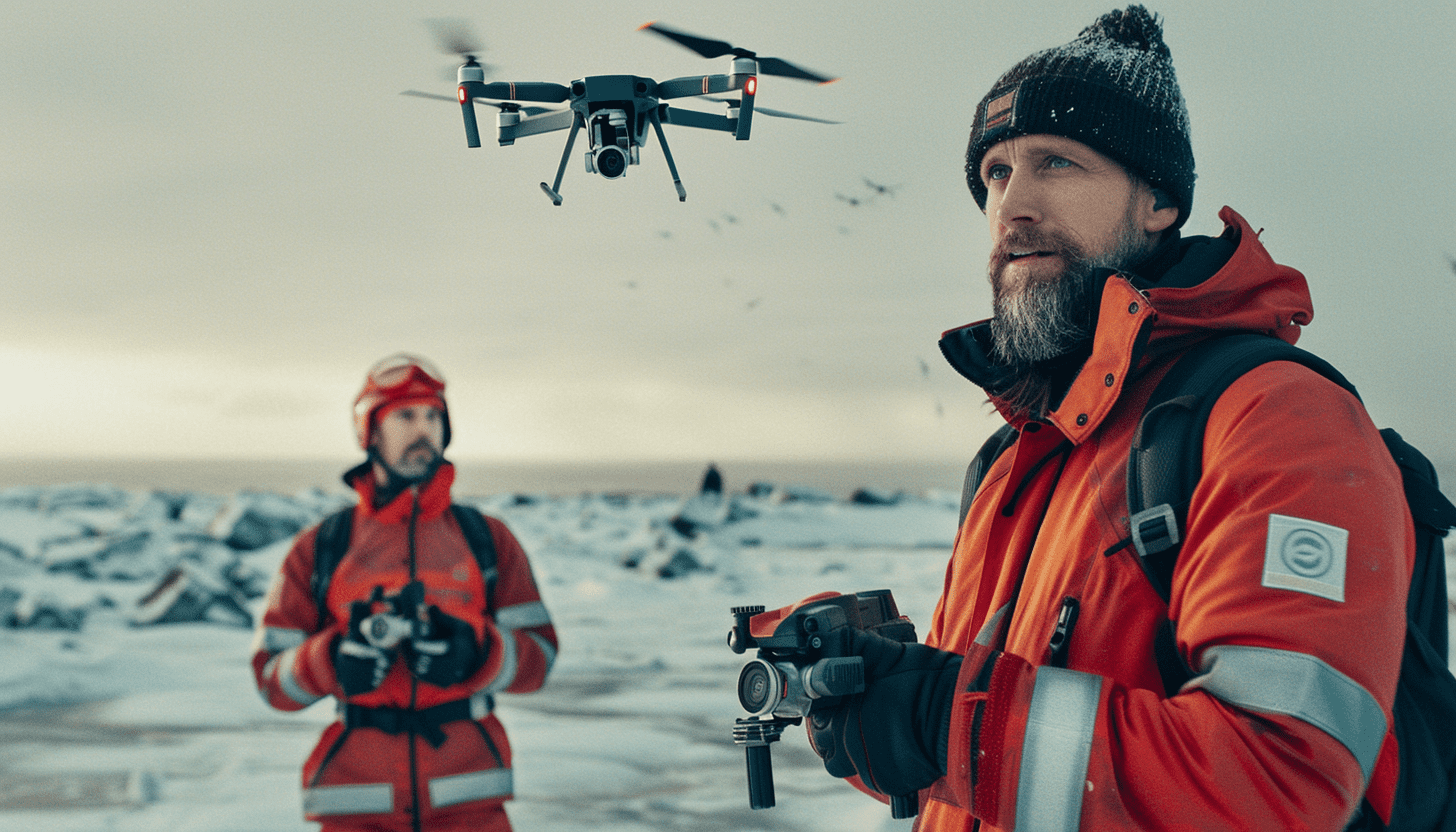
Drones in Law Enforcement
Join our one-day Drones in Law Enforcement course to learn tactical drone use for surveillance, accident investigation, and evidence collection. Enhance situational awareness and improve crime scene documentation. Sign up now!
Duration
$1,000
4.89 (3.8K Joined)
Drones for Search and Rescue
Join our one-day Drones for Search and Rescue course to learn efficient search techniques and night operations. Enhance your ability to quickly locate and save lost or injured individuals. Sign up now!
Duration
$1,000
What drone training does a fire department need?
Most fire departments start by having each pilot earn an FAA Remote Pilot Certificate under Part 107, then add hands-on training in thermal imaging, night operations, incident overwatch and search patterns. Departments that fly as public aircraft under an FAA Certificate of Waiver or Authorization (COA) self-certify their pilots, so they still need a documented training program. Drone Universities delivers both at your station.
Request training or call 1.818.255.0406.
Why fire departments train with Drone Universities
We train at your station
Your crews learn on your apparatus floor, training ground and response area instead of traveling out of district.
Fireground-focused flying
Exercises cover roof size-up, thermal hot-spot checks, perimeter mapping and search patterns, not just basic stick skills.
Part 107 or COA
We help you decide between Part 107 certificates and a public aircraft COA, and train to the path you choose.
Shift-friendly scheduling
Sessions can be planned so crews from different shifts receive the same instruction and procedures.
FAA Certified Flight Instructors
Training is led by instructors who hold FAA flight instructor certificates and teach the current rules.
Who this fire department drone training is for
This program is designed for any organization that responds to fires, rescues and hazardous scenes and wants a drone in the air within minutes of arrival:
- Career, combination and volunteer fire departments, and county or regional fire districts.
- EMS agencies and rescue squads that support water, rope and wilderness rescue.
- Search and rescue teams, including sheriff-affiliated and volunteer SAR units.
- Wildland crews, emergency management offices and industrial or campus fire brigades.
Attendees usually include the officers who will run the program, the designated pilots, the visual observers who support them, and incident commanders who need to know what a drone can and cannot show them. Training the whole group together means the pilot, the observer and the person reading the video on the command board all use the same words for the same things. Law enforcement partners can review our police drone training programs, and every audience we serve is listed on the drone training for organizations page.
FAA rules every fire department drone program must follow
A fire department can fly drones under two different FAA frameworks, and the choice shapes your training plan.
Option 1: Part 107 Remote Pilot Certificates
Under 14 CFR Part 107, each pilot in command holds a Remote Pilot Certificate. Applicants must be at least 16 and pass the FAA Unmanned Aircraft General (UAG) knowledge test: 60 questions, 2 hours, 70 percent to pass. Certificated pilots complete free online recurrent training every 24 calendar months. Standard limits include flying below 400 feet above ground level, keeping the drone within visual line of sight, and using LAANC or an FAA authorization before entering controlled airspace near airports.
Option 2: Public aircraft operations under a COA
Because a fire department is a government entity, it can instead operate as a public aircraft operator. The department’s legal office sends the FAA a Public Declaration Letter, and the FAA then issues a Certificate of Waiver or Authorization. Under a COA the department self-certifies its pilots and aircraft, which is exactly why a written training and currency program matters. The FAA notes that approval of a COA application can take up to 60 days, so many departments certify pilots under Part 107 first and add a COA later.
Night, wildfire and emergency airspace
Night flights under Part 107 require anti-collision lighting visible for at least 3 statute miles and current pilot knowledge of night operations; see our night operations guide. Flights over people are governed by Part 107 Subpart D, and anything outside the standard rules needs a Part 107 waiver. When an emergency requires flying inside a Temporary Flight Restriction or beyond your normal approvals, the FAA’s Special Governmental Interest (SGI) process, handled through the FAA System Operations Support Center at 202-267-8276, can grant expedited access. Unauthorized drones near a wildfire can ground firefighting aircraft, so every pilot must know how to coordinate with the incident’s air operations before launching. Current guidance is on the FAA public safety and government page.
How fire and rescue crews use drones on incidents
- Structure fires. An aerial size-up shows roof conditions, smoke movement, exposures and access points, and a thermal camera can reveal heat in void spaces and attics before crews commit.
- Wildland and brush fires. Pilots map the fire perimeter, watch for spot fires and, during mop-up, use thermal imagery to locate hot spots that are hard to see from the ground.
- Hazardous materials. A drone gives the hazmat group a standoff view of containers, placards and plume direction without sending a person into the hot zone.
- Search and rescue. Thermal sensors help find missing people at night and in heavy cover, and grid patterns let one pilot clear ground quickly. Read more about search and rescue missions with drones.
- Water rescue. Overhead views help crews track a victim in moving water and plan a safe approach for the rescue team.
- Pre-incident planning and investigation. Aerial imagery of target hazards supports pre-plans, and post-fire photo documentation assists investigators.
On-site group training at your fire station
Instructors travel to departments in all 50 states. Training takes place at your station or training ground, so pilots practice around the buildings, trees, power lines and airspace they will actually meet on calls. Classroom sessions cover the rules and procedures, and flight exercises run outdoors when the site and weather allow.
Group training also builds a shared standard: one pre-flight checklist, one way to brief a launch, and clear roles for the pilot in command, the visual observer and the incident commander. Departments that are certifying many members at once can use our guide to getting an entire department Part 107 certified. See course locations for your state, for example Texas, Florida or California.
Fire department drone training curriculum
Programs are assembled from the Drone Universities course catalog and adjusted to your department:
- FAA Part 107 Training (2 days): airspace, weather, regulations, loading and performance, and test strategy for the UAG knowledge test.
- Drones for Search and Rescue (1 day): search planning, grid and expanding-square patterns, thermal detection and handing off locations to ground teams.
- Drones for Public Safety and Transportation (1 day): scene overwatch, traffic incidents, documentation and working inside an incident command structure.
- Thermal interpretation: reading heat signatures, avoiding false positives from sun-loaded surfaces, and choosing the right color palette.
- Program and SOP development: crew roles, flight logs, maintenance records, privacy considerations and the paperwork a COA or waiver application needs.
Pilots who also want imaging skills for pre-plans can add drone GIS and mapping.
Request Fire Department Drone Training
Tell us where your team is, how many people need training and what you need to fly. An FAA Certified Flight Instructor will come to you, in any of the 50 states.