Police Drone Training Programs
Your Officers. Your Mission. Professional Training That Matters.
Train Your Entire Team Together. FAA-Certified Instructors Travel to Your Facility. 150+ Years Combined Aviation Experience. Available 7 Days a Week Nationwide.
The Reality
Police and sheriff’s departments across the country now use drones for scene documentation, search and rescue, crash reconstruction and tactical support. Your department either has a drone program or is likely to be asked about one.
But drones without proper training aren’t just ineffective. They’re a liability.

What Your Department Actually Needs
Not another vendor pitch. Not generic online videos.
You need officers who can:
- Deploy drones safely and legally under FAA regulations
- Document crime scenes with court-admissible evidence
- Execute tactical operations without compromising officer safety
- Navigate complex airspace restrictions in high-pressure situations
- Testify confidently about drone-collected evidence
Training that respects what your officers already know—and fills the gaps that matter.

How We're Different
Taught by Real Aviation Professionals
Our lead instructors aren’t just drone pilots. They’re FAA Certified Flight Instructors with 38+ years of military, corporate, and airline aviation experience. They’ve flown everything from naval aircraft to commercial jets. They understand operational discipline, mission planning, and regulatory compliance at the highest levels.
We Come to You—Anywhere in America
Training at headquarters? Your training facility? A nearby field? We deploy to your location, 7 days a week. No sending officers across the country. No disrupting shift schedules. We adapt to your department’s operational needs.
Drone Universities Courses
5.00 (20K+ Joined)
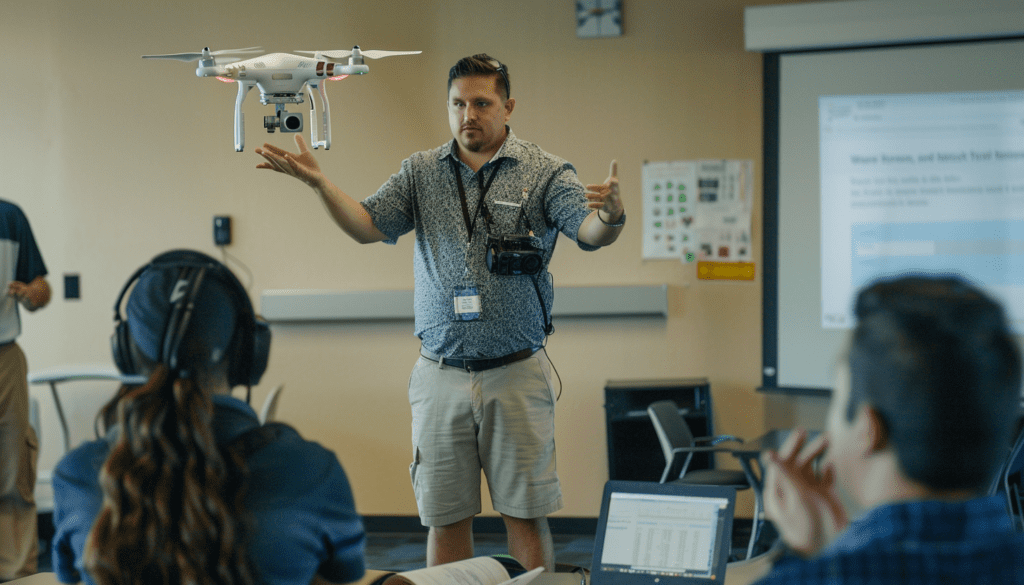
FAA Part 107 Training
Prepare yourself for the FAA Part 107 Knowledge Test. Learn to fly, how to understand industry-standard flight systems, and most importantly, safe and legal flying practices. If you do not pass the FAA Part 107 exam after completing our training, we will either refund your training fee or retrain you at no additional cost.
DJI Mini 4K included!
Duration
$2,500
4.79 (5.4K Joined)
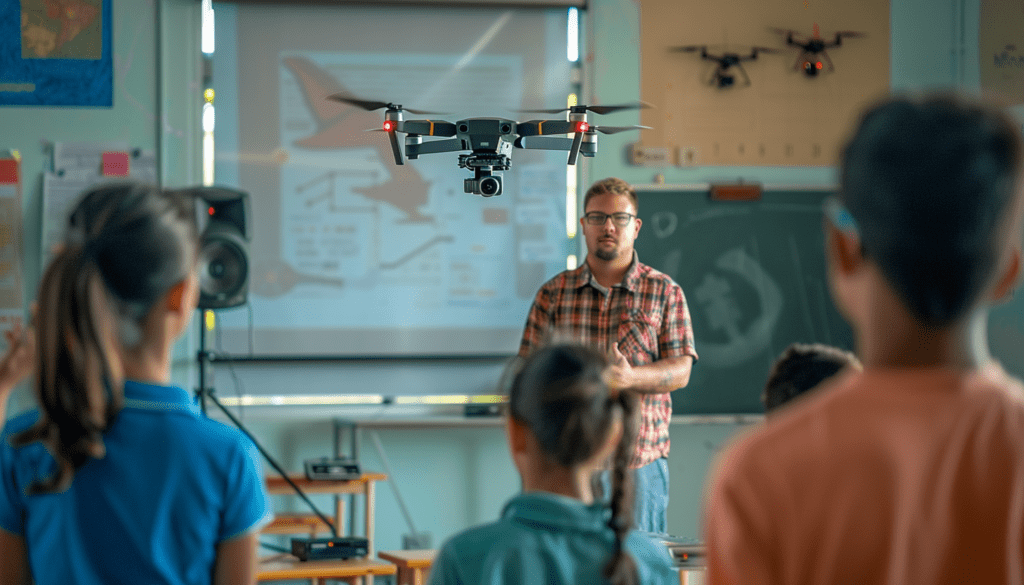
Advanced Aerial Inspections and Cinematography
This one-day course teaches you advanced aerial photography and videography. All classes are taught by working professionals. Learn what it takes to get great shots for clients like Discovery Channel and National Geographic.
Duration
$1,000
4.96 (2.6K Joined)
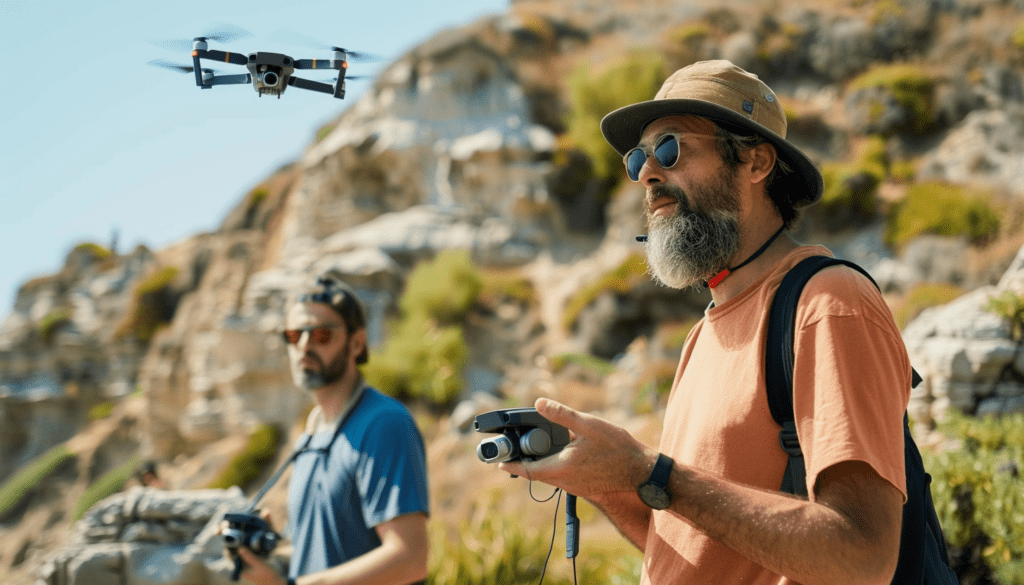
This one-day course teaches you all about GIS. You will learn everything you need to successfully collect usable data on your flights. We’ll guide you through planning and flying successful operations, programing flight patterns.
Duration
$1,000
4.87 (1.6K+ Joined)
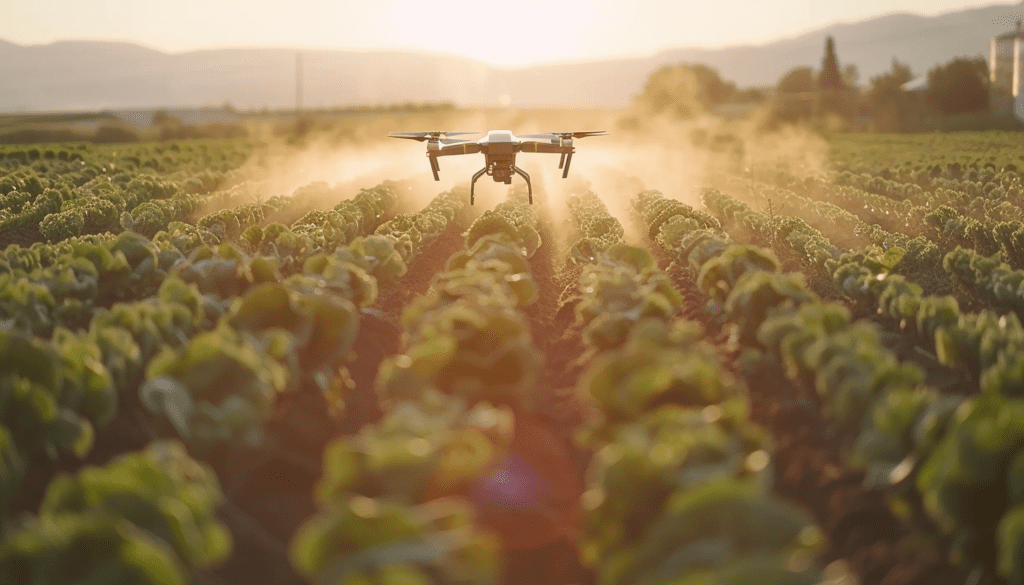
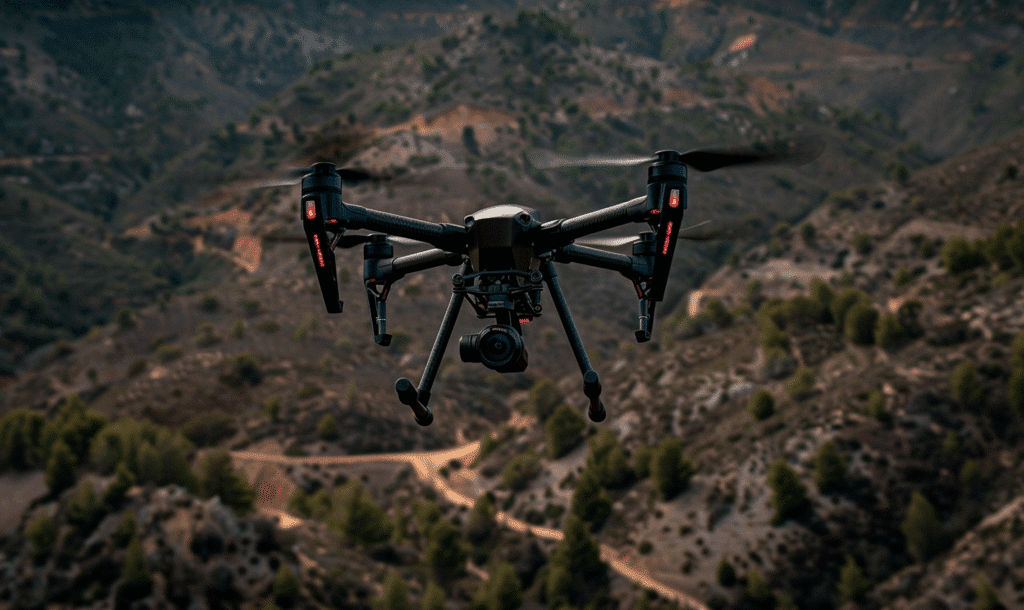
Drones in Agriculture
Join Drone Universities’ one-day Drones in Agriculture course. Learn precision flights, multispectral imaging, and field methodology to boost crop yield. Sign up now!
Duration
$1,000
4.92 (3.6K Joined)
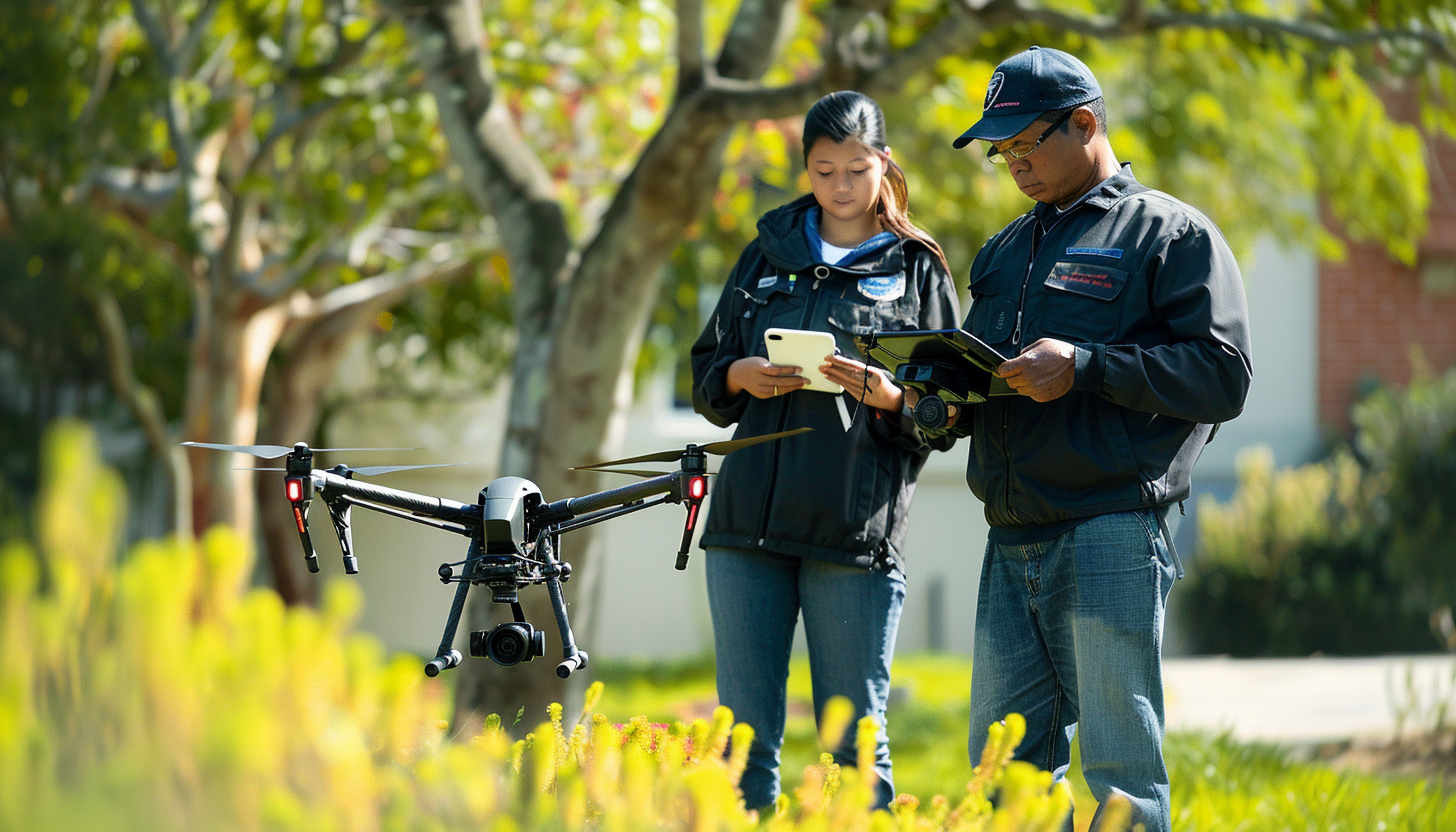
Drones for Construction and Inspection
Join Drone Universities’ one-day Drones for Construction and Inspection course. Learn drone mapping to reduce errors, save costs, and improve safety in construction and wildfire tracking.
Duration
$1,000
4.82 (2.6K Joined)
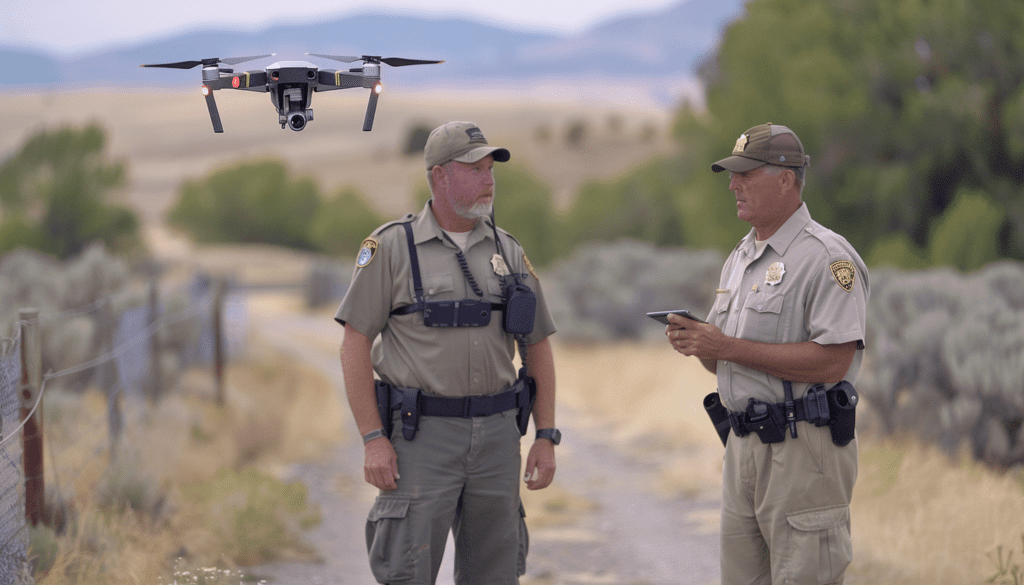
Drones for Public Safety and Transportation
Learn to use drones for infrastructure inspection and planning. Our one-day course improves public safety and transportation by saving time, money, and resources.
Duration
$1,000
4.82 (3.7K+ Joined)
Drones in Law Enforcement
Join our one-day Drones in Law Enforcement course to learn tactical drone use for surveillance, accident investigation, and evidence collection. Enhance situational awareness and improve crime scene documentation. Sign up now!
Duration
$1,000
4.89 (3.8K Joined)
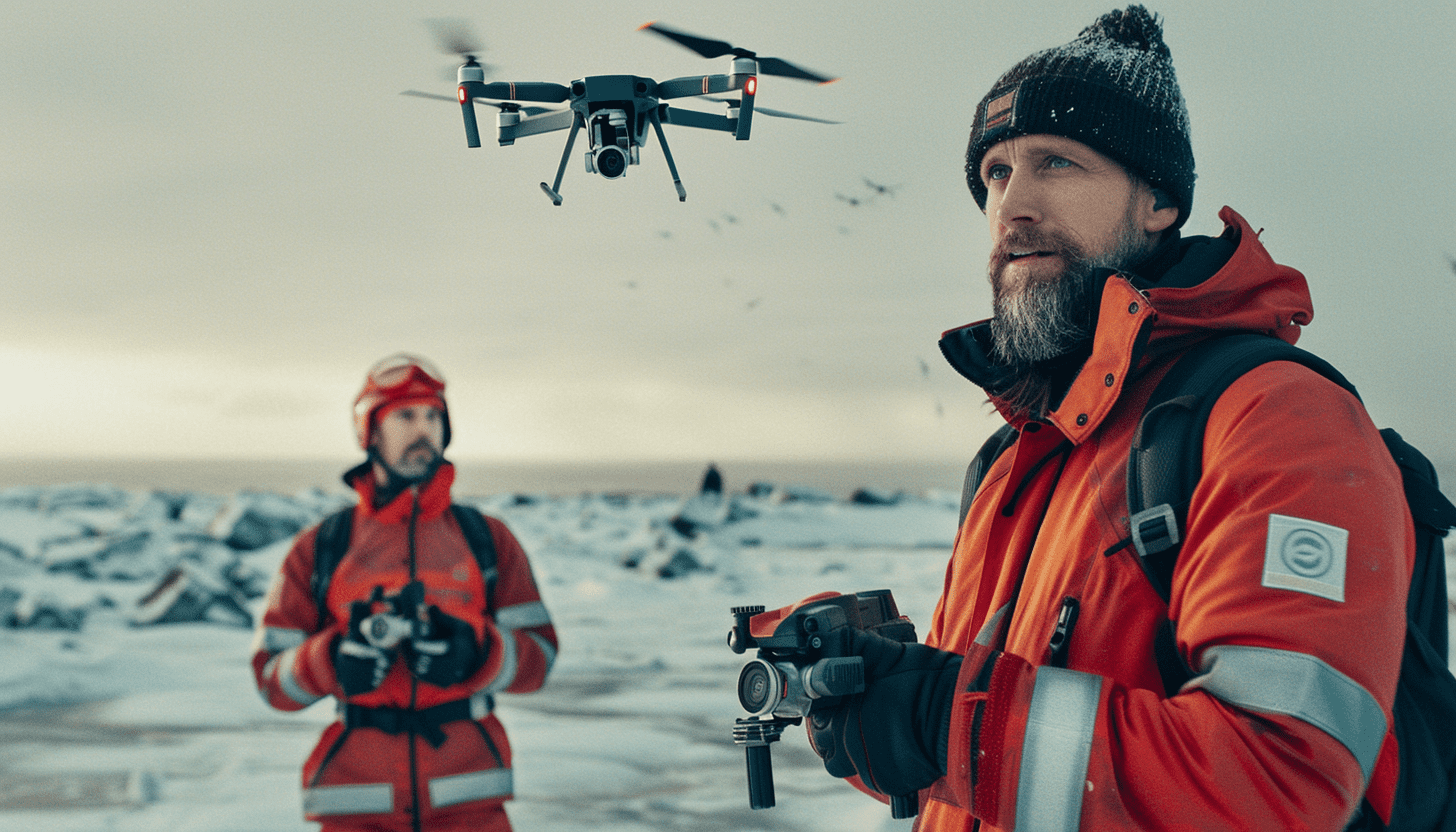
Drones for Search and Rescue
Join our one-day Drones for Search and Rescue course to learn efficient search techniques and night operations. Enhance your ability to quickly locate and save lost or injured individuals. Sign up now!
Duration
$1,000
What Agencies Are Dealing With
Drone use in public safety has grown quickly. Programs range from a single scene-documentation drone to full Drone as First Responder (DFR) operations, and each step raises questions about FAA authority, airspace, privacy and evidence handling that training needs to answer.
But rapid adoption without proper training creates problems:
- Constitutional violations and civil rights lawsuits
- Inadmissible evidence due to improper collection procedures
- Safety incidents from inadequately trained pilots
- Public trust erosion from unregulated surveillance
Your officers deserve training that sets them up for success—not liability.
The Investment
Your department invests in firearms training, defensive tactics, and specialized investigations. Drone operations deserve the same level of professional preparation.
What you get:
- FAA Part 107 certification preparation for your officers
- Specialized law enforcement tactical training
- Custom curriculum addressing your department’s specific needs
- Hands-on flight experience with professional-grade equipment
- Ongoing support for operational questions and program development
What it prevents:
- Constitutional violations and civil rights lawsuits
- Compromised criminal cases from evidence collection errors
- Officer safety incidents from inadequate training
- Costly equipment damage from preventable pilot errors
- Public relations crises from irresponsible drone deployment
Drone Universities trains police and sheriff’s departments at their own facilities anywhere in the United States. Programs cover FAA Part 107 knowledge test preparation, the public aircraft operation (COA) alternative, night and thermal operations, scene documentation, search and rescue and tactical flying, built around your department’s airspace, missions and policies.
Two Legal Pathways: Part 107 or a Public Aircraft COA
The FAA gives law enforcement agencies two ways to fly drones.
- Part 107 (civil rules). Each officer who acts as remote pilot in command earns an FAA Remote Pilot Certificate by passing the FAA knowledge test, and the department flies under the Part 107 operating rules. Operations outside those rules, such as flying beyond visual line of sight, need an FAA waiver; see how to apply for a Part 107 waiver.
- Public aircraft operations under a Certificate of Waiver or Authorization (COA). A government agency can declare itself a public aircraft operator and apply to the FAA for a COA. The agency then sets and documents its own pilot training and qualification standards. The FAA notes the process can take up to 60 days.
| Part 107 | Public aircraft COA | |
|---|---|---|
| Who qualifies pilots | The FAA, through the Remote Pilot Certificate | The agency, under its own documented standards |
| How to start | Each pilot passes the FAA knowledge test | Public declaration letter and COA application |
| Operating rules | Part 107, with waivers for exceptions | The terms of the COA |
Some departments use both. Our training covers the knowledge needed for either path. Source: FAA, Law Enforcement Drone Programs.
Drone as First Responder (DFR) Programs
In a Drone as First Responder (DFR) program, a drone is launched to a call for service, often before patrol units arrive, and is usually flown by a remote pilot from a central location. Because DFR flights typically go beyond the pilot’s visual line of sight, they need specific FAA authorization, such as a waiver or COA provisions, together with airspace planning and clear department procedures. We train officers on the regulations, airspace and crew procedures that support a DFR program; the authorization itself is issued by the FAA. In emergencies, agencies can also request expedited approval through the FAA’s Special Governmental Interest (SGI) process.
Night, Thermal and Tactical (SWAT) Training
Many police drone missions happen at night. Since April 2021, Part 107 pilots can fly at night without a waiver if they have completed current training or testing that covers night operations and the drone has anti-collision lighting visible for 3 statute miles. Flights in controlled airspace still need airspace authorization. Our guide to Part 107 night operations explains the lighting and training rules. Training topics include:
- Reading thermal imagery and knowing its limits: thermal cameras show surface temperature differences and do not see through walls or glass
- Search patterns for missing persons and suspects in darkness
- Night preflight planning, lighting and visual observer roles
- Tactical support for SWAT and critical incidents: standoff distance, crew communication, and indoor or close-quarters flying
- Scene and crash documentation, including mapping workflows
We adapt the content to your department’s missions. Related reading: search and rescue missions with drones and getting your entire department Part 107 certified.
Policy, Privacy and Evidence Handling
Training also covers the program side: written procedures, data retention, chain of custody for drone imagery, and community transparency. See our post on the ethics of drone use and our custom curriculum for government and law enforcement agencies. Drone Universities does not provide legal advice; review policies with your own counsel.
Recurrent training and proficiency. Part 107 remote pilots must complete the FAA’s free online recurrent training every 24 calendar months. Agencies operating under a COA set their own currency requirements, and many departments add regular proficiency checks.
Three Steps to Get Started

1. Free Consultation
We discuss your department’s current drone capabilities, planned operations, and training objectives.

2. Custom Training Plan
We design a program addressing your specific needs—from basic Part 107 certification to advanced tactical operations.

3. Schedule & Deploy
We come to your location on your schedule. Training delivered by FAA Certified Flight Instructors who understand law enforcement operations.
Police Drone Training FAQs
Not if the agency flies as a public aircraft operator under an FAA COA and qualifies its pilots under its own standards. If the department flies under Part 107, each officer acting as remote pilot in command needs an FAA Remote Pilot Certificate.
It depends on your missions. Part 107 uses a standard FAA certificate for each pilot and fixed operating rules. A COA gives a public agency more flexibility but requires the agency to set and document its own training standards, and the FAA notes the process can take up to 60 days. Some departments use both.
Yes. Under Part 107, night flights need no waiver if the pilot has completed current training or testing that covers night operations and the drone has anti-collision lighting visible for 3 statute miles. Flights in controlled airspace still need airspace authorization.
Yes. Instructors travel to your headquarters, training facility or another suitable site anywhere in the United States.
We cover the regulations, airspace and crew procedures behind DFR programs. A DFR program also needs specific FAA authorization, which the agency obtains from the FAA.
Start with a free consultation about your current capabilities and planned operations. We then design a training plan and schedule it at your location. Call 1.818.255.0406 to request training.
Questions? We’re available 7 days a week to discuss your department’s needs.