Drone Preflight Checklist: A Part 107 Checklist Built on 107.49
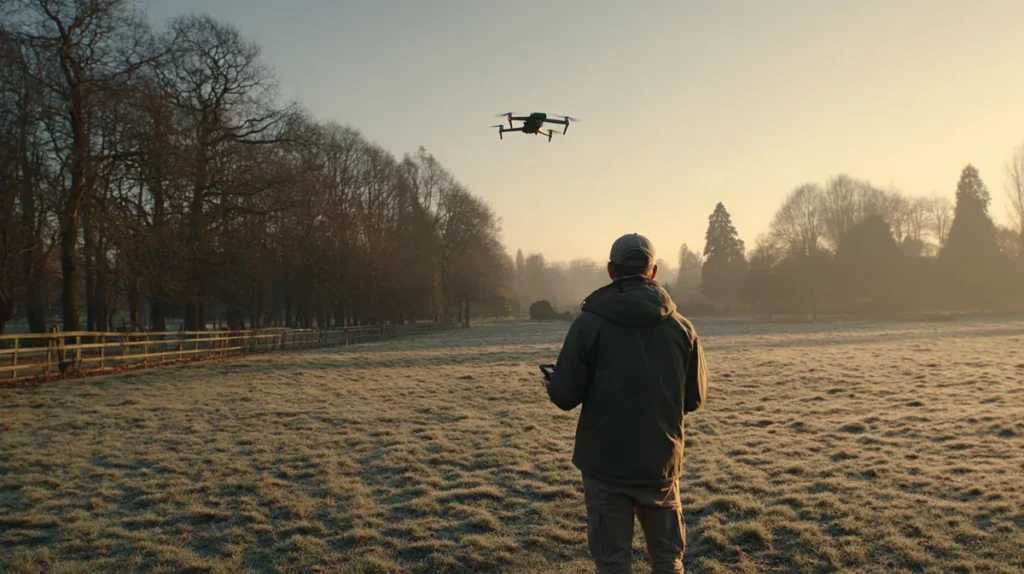
A drone preflight checklist confirms that you, your aircraft and the operating area are ready before every flight. This guide turns 14 CFR 107.15 and 107.49 into a copy-ready Part 107 checklist covering pilot readiness, documents, weather, airspace, the crew briefing, aircraft inspection, final checks and post-flight review, with the FAA rule or guidance behind each line.
Can You Fly a Drone in a National Park? NPS Rules for Hobbyists and Part 107 Pilots
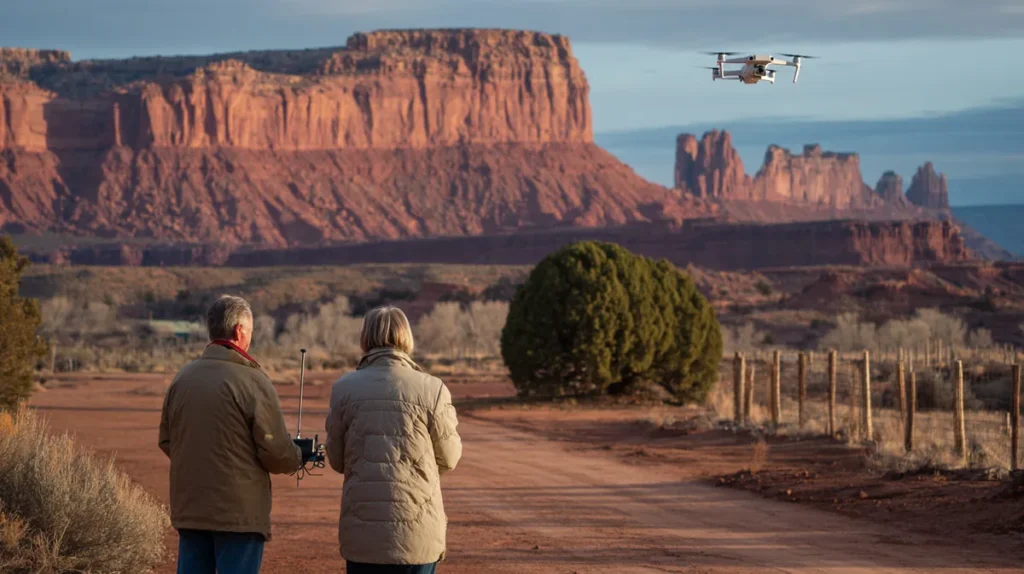
In most cases you cannot fly a drone in a national park. The National Park Service prohibits launching, landing or operating drones on park lands and waters without written approval, for hobbyists and Part 107 pilots alike, and a violation is a misdemeanor. This guide explains the rule, penalties and permits, which national forest and BLM lands allow drones, the FAA rules that still apply, and a checklist for your next trip.
California Drone Laws: What Hobbyists and Part 107 Pilots Need to Know
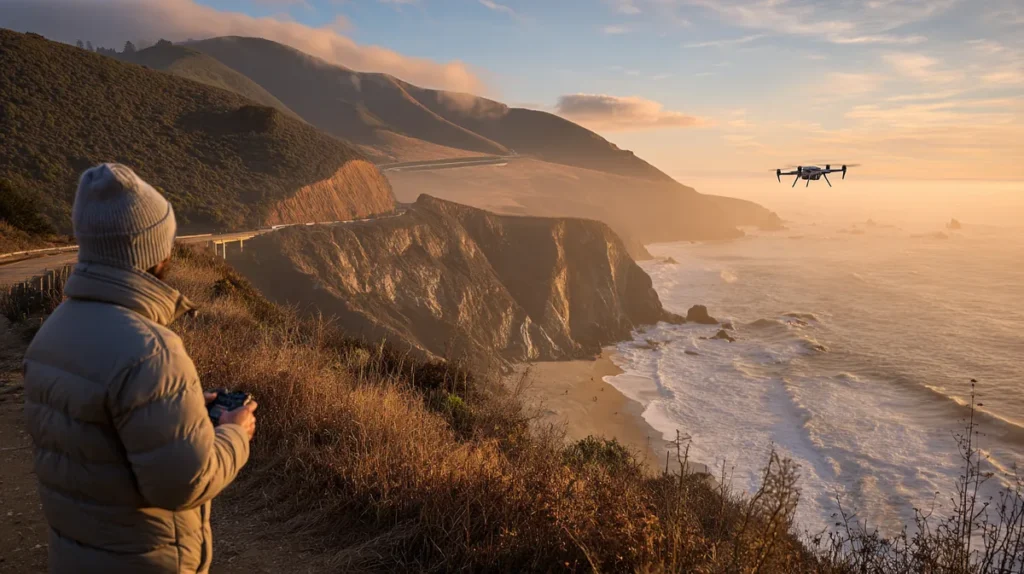
California drone laws start with the FAA: Part 107 for any non-recreational flight, or TRUST, registration and Remote ID for hobbyists. California then adds Civil Code Section 1708.8, which allows lawsuits over drone recordings that invade privacy, Penal Code Section 402 on impeding emergency personnel, and Penal Code Section 4577 on prisons and jails. This guide covers both layers, State Park and national park launch rules, and a pre-flight checklist.
Florida Drone Laws: What Hobbyists and Part 107 Pilots Need to Know
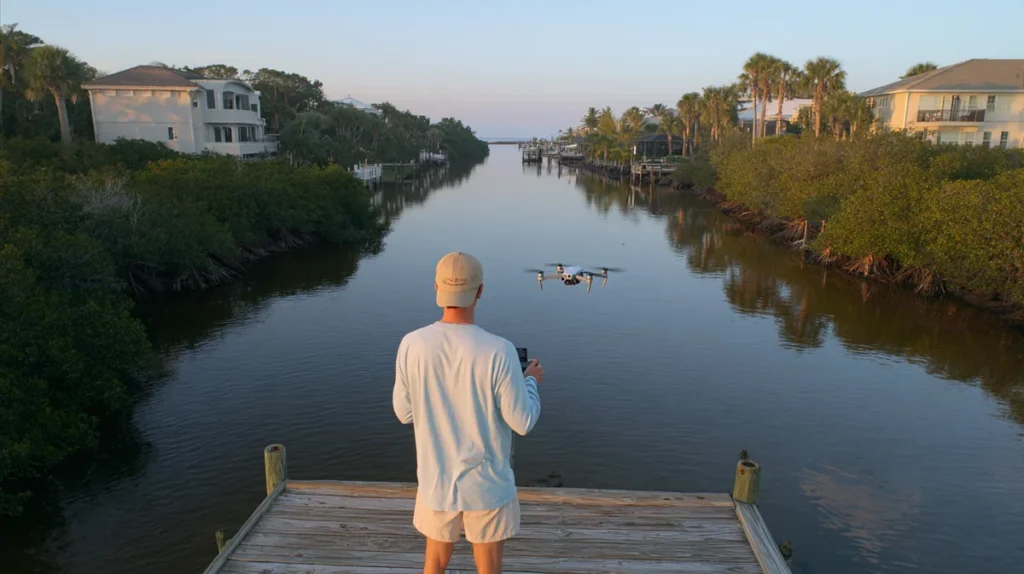
Florida drone laws start with the FAA: Part 107 for any non-recreational flight, or TRUST, registration and Remote ID for hobbyists. Florida then adds Section 934.50, which makes drone surveillance of private property without written consent a crime, and Section 330.41, which protects critical infrastructure, schools and agricultural land and stops cities from writing their own drone rules. This guide covers both layers, launch sites and a pre-flight checklist.
Part 107 Night Operations: Rules, Lighting and Training for Flying After Dark
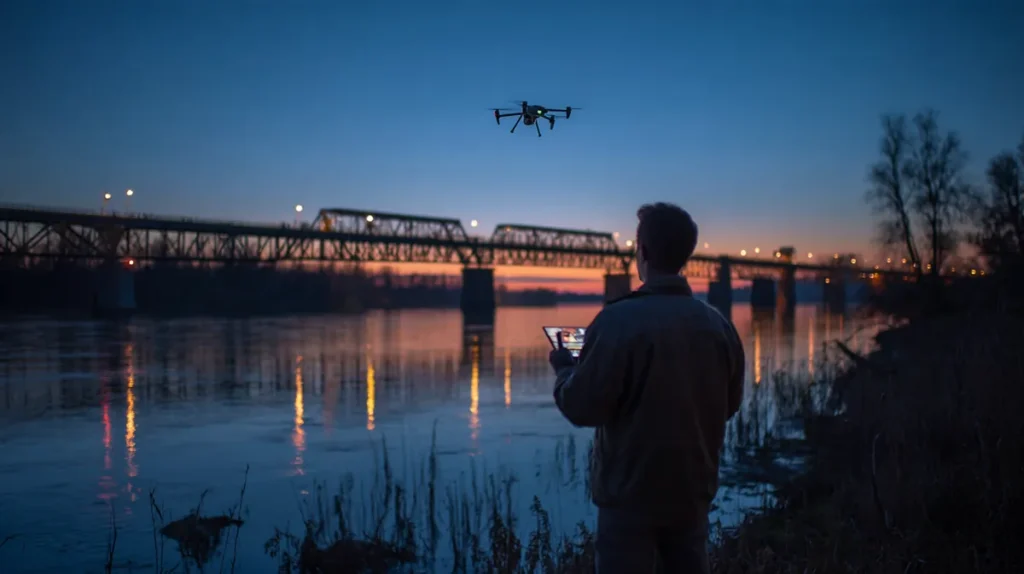
Can you fly a drone at night under Part 107? Yes, without a waiver, if your knowledge test or training is current after April 6, 2021 and your drone carries anti-collision lighting visible for 3 statute miles. This guide covers civil twilight, the rules that still apply after dark, night vision and illusions, a preflight checklist and when a waiver is still needed.
How to Read a METAR and TAF: A Part 107 Weather Guide for Drone Pilots
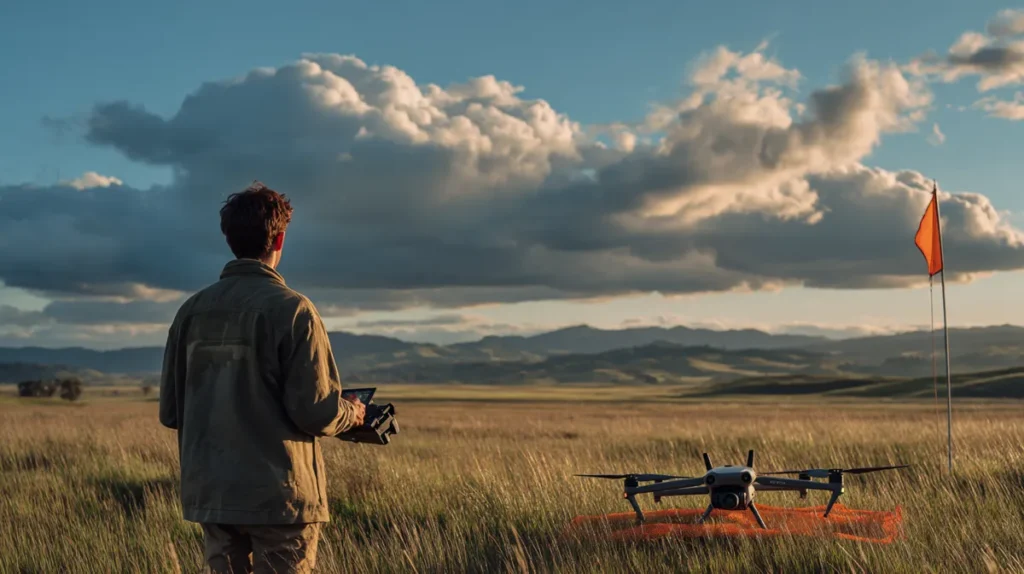
Learn how to read a METAR and TAF for the FAA Part 107 exam and real flight planning. This guide decodes every METAR group with an FAA example, explains ceilings, TAF change groups such as FM, TEMPO and PROB30, and shows how to check the 3-mile visibility and cloud clearance limits in 14 CFR 107.51.
Drone Accident Reporting: FAA Part 107 and NTSB Requirements
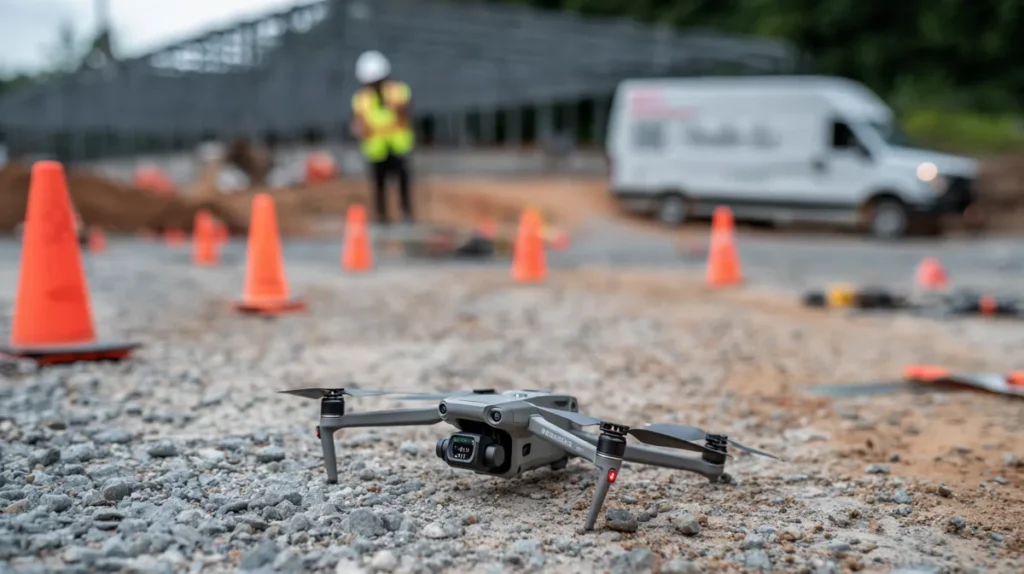
Drone accident reporting is required within 10 calendar days when a Part 107 flight causes serious injury, loss of consciousness or more than $500 in damage to other property. Learn the FAA thresholds, what to do after a crash, how to file through FAADroneZone and when you must also notify the NTSB.