Drone Training for Schools, Teachers and STEM Programs
Start a school drone program the right way: teachers trained first, student flights set up under the correct FAA rules, and lessons that connect flight to science, math and careers. FAA Certified Flight Instructors come to K-12 schools nationwide.
Drone Universities Courses
5.00 (20K+ Joined)
FAA Part 107 Training
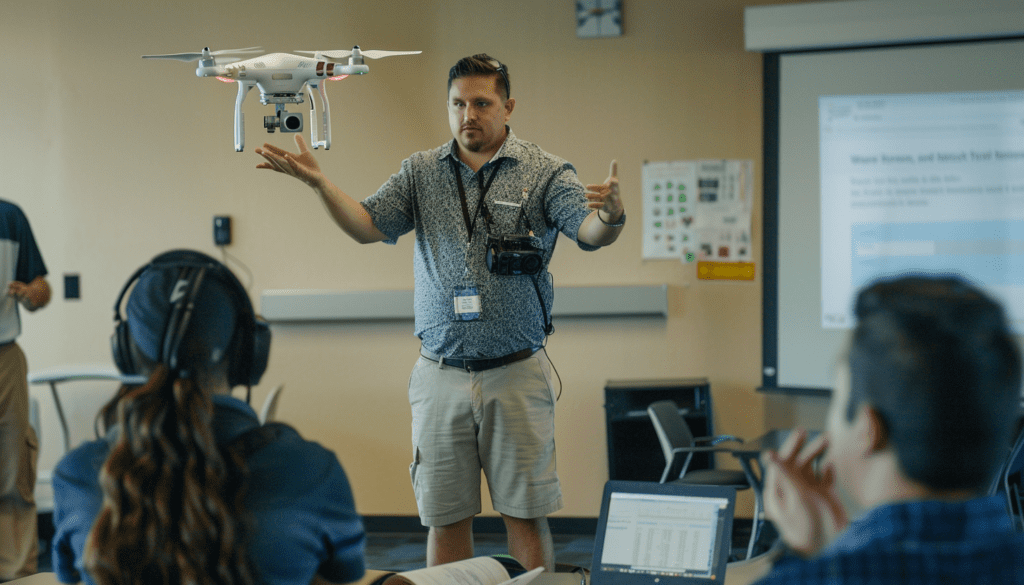
Prepare yourself for the FAA Part 107 Knowledge Test. Learn to fly, how to understand industry-standard flight systems, and most importantly, safe and legal flying practices. If you do not pass the FAA Part 107 exam after completing our training, we will either refund your training fee or retrain you at no additional cost.
DJI Mini 4K included!
Duration
$2,500
4.79 (5.4K Joined)
Advanced Aerial Inspections and Cinematography
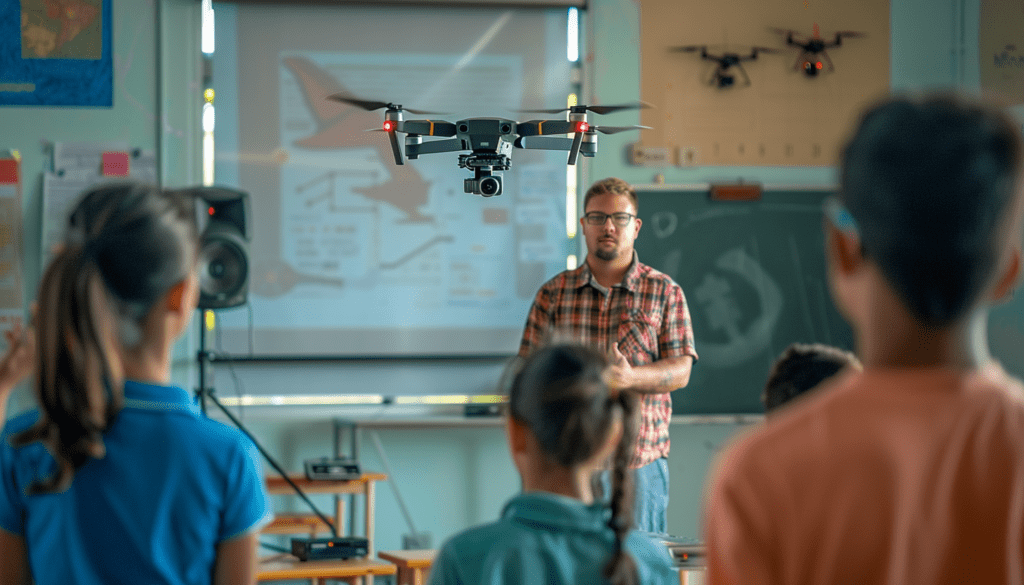
This one-day course teaches you advanced aerial photography and videography. All classes are taught by working professionals. Learn what it takes to get great shots for clients like Discovery Channel and National Geographic.
Duration
$1,000
4.96 (2.6K Joined)
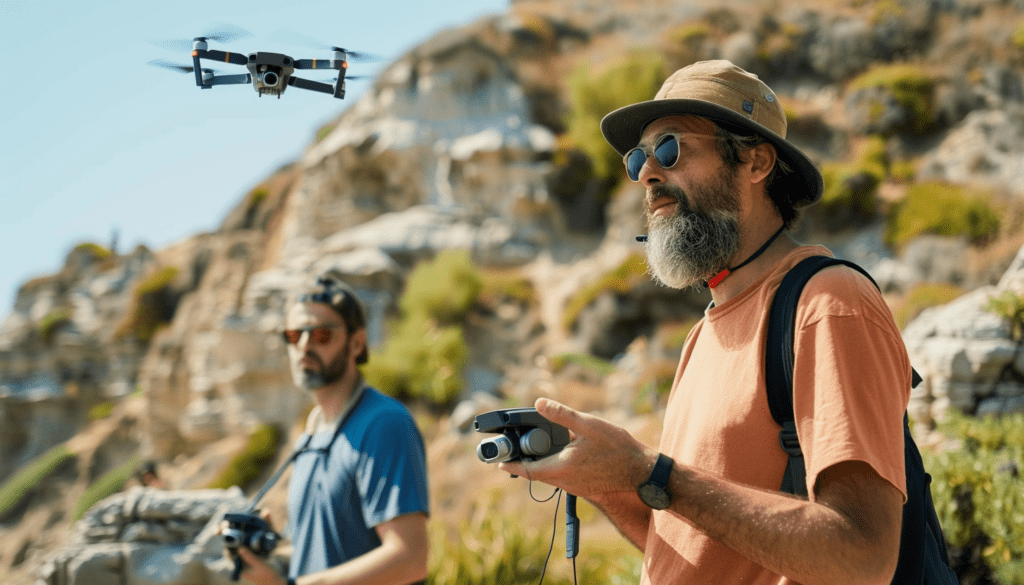
This one-day course teaches you all about GIS. You will learn everything you need to successfully collect usable data on your flights. We’ll guide you through planning and flying successful operations, programing flight patterns.
Duration
$1,000
4.87 (1.6K+ Joined)
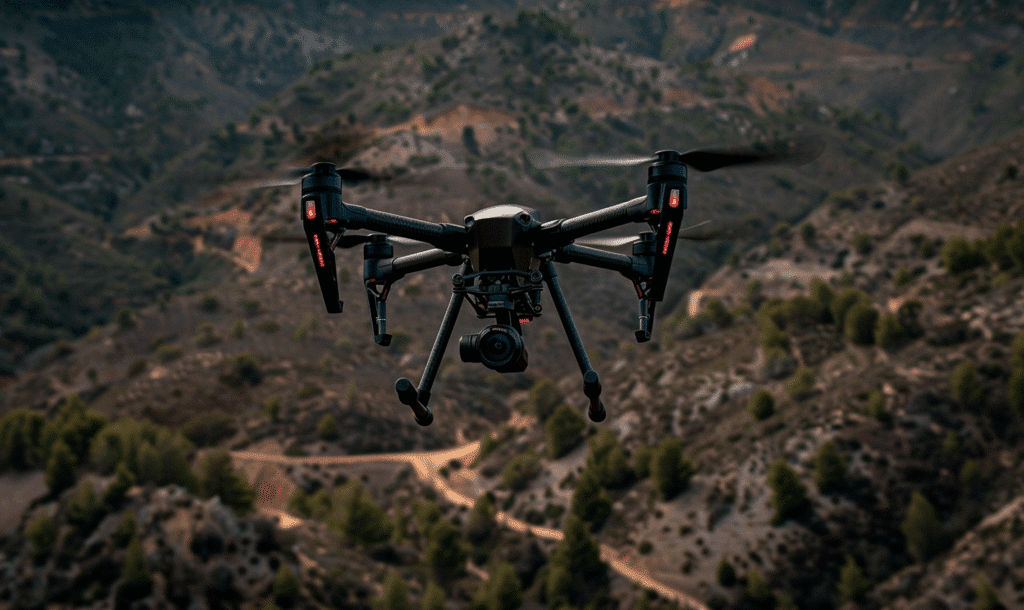
Drones in Agriculture
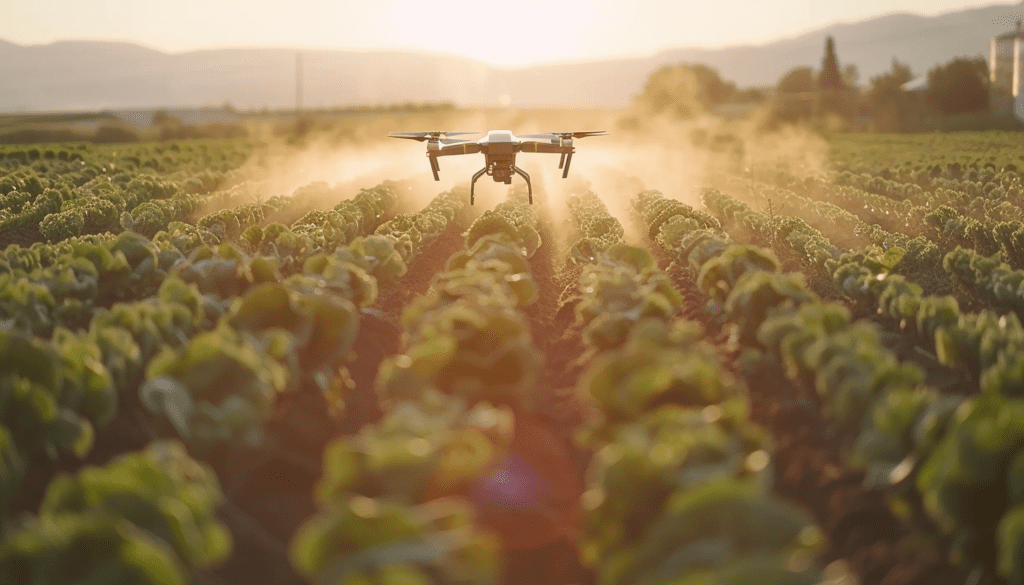
Join Drone Universities’ one-day Drones in Agriculture course. Learn precision flights, multispectral imaging, and field methodology to boost crop yield. Sign up now!
Duration
$1,000
4.92 (3.6K Joined)
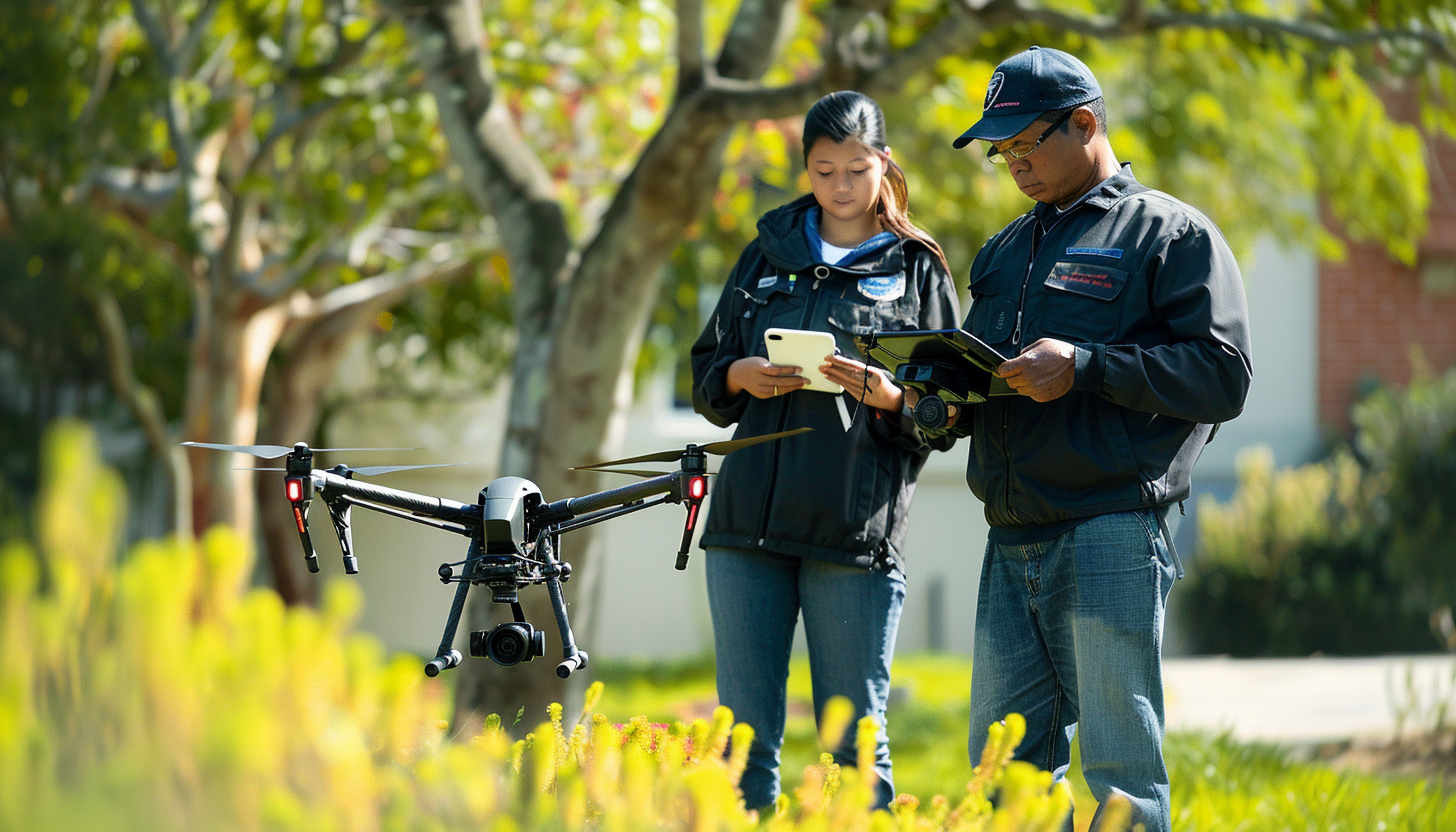
Drones for Construction and Inspection
Join Drone Universities’ one-day Drones for Construction and Inspection course. Learn drone mapping to reduce errors, save costs, and improve safety in construction and wildfire tracking.
Duration
$1,000
4.82 (2.6K Joined)
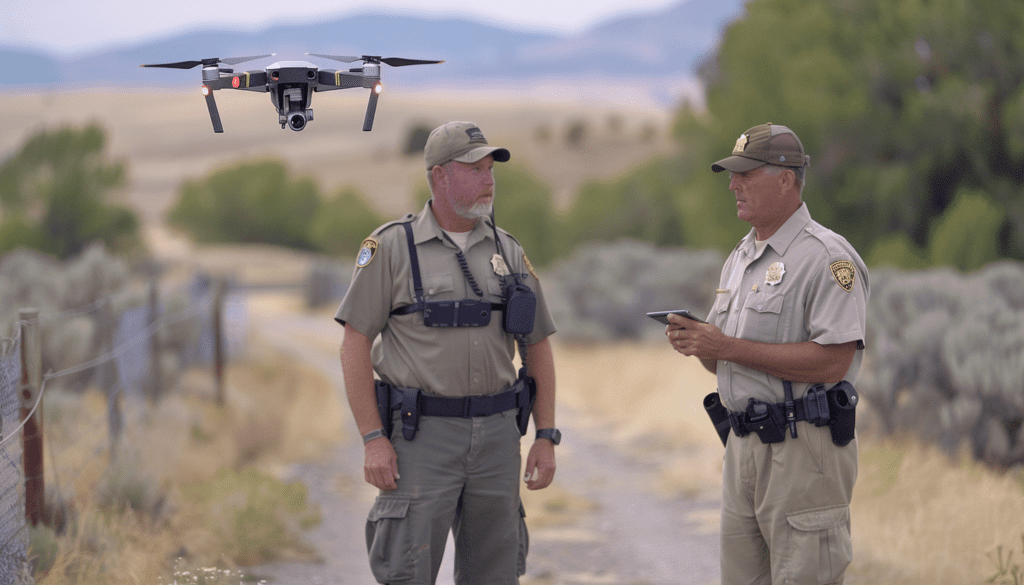
Drones for Public Safety and Transportation
Learn to use drones for infrastructure inspection and planning. Our one-day course improves public safety and transportation by saving time, money, and resources.
Duration
$1,000
4.82 (3.7K+ Joined)
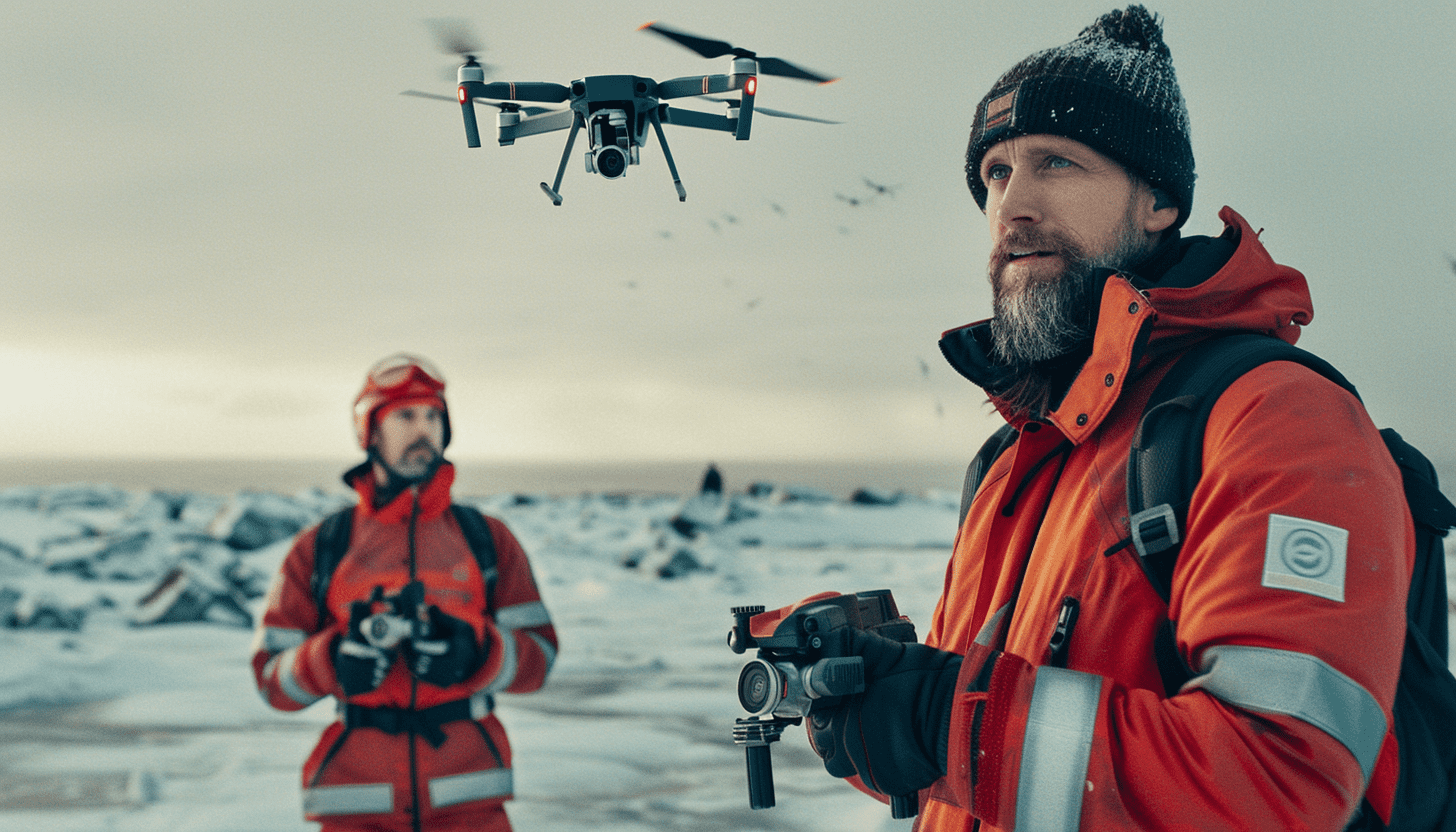
Drones in Law Enforcement
Join our one-day Drones in Law Enforcement course to learn tactical drone use for surveillance, accident investigation, and evidence collection. Enhance situational awareness and improve crime scene documentation. Sign up now!
Duration
$1,000
4.89 (3.8K Joined)
Drones for Search and Rescue
Join our one-day Drones for Search and Rescue course to learn efficient search techniques and night operations. Enhance your ability to quickly locate and save lost or injured individuals. Sign up now!
Duration
$1,000
How can a school start a drone program?
A K-12 school can start a drone program by training its teachers first, deciding which FAA rules student flights will follow, and building lessons around STEM, safety and careers. Students may fly recreationally in programs chartered by an FAA-recognized community-based organization or in JROTC, after passing The Recreational UAS Safety Test (TRUST). Other outdoor flights follow Part 107, where students can fly under the direct supervision of a certificated remote pilot.
Request training or call 1.818.255.0406.
Why schools choose Drone Universities
Teachers trained first
Educators learn the rules, the aircraft and classroom flight management before students ever take the controls.
Clear on the rules for minors
We explain what TRUST, Part 107 supervision and indoor flying mean for students of different ages.
Safety built into every lesson
Flight areas, observer roles, battery handling and written procedures are part of the training, not an afterthought.
A path for older students
Students 16 and older can prepare for the FAA Remote Pilot Certificate, a credential they can use after graduation.
We come to your school
Instructors travel to schools in every state and teach in your classrooms, gym and fields.
Who school drone training is for
- Middle and high schools adding drones to science, technology, engineering and math classes.
- Career and technical education (CTE) pathways in aviation, construction, agriculture, media and public safety.
- JROTC units and STEM, robotics and aviation clubs.
- District instructional technology and curriculum teams planning a program across several campuses.
- After-school programs, summer camps and homeschool cooperatives that want a structured, safe introduction to drones.
The core audience is teachers. A teacher who understands the rules, can fly confidently and knows how to run a safe flight area is the single most important part of a school drone program. Colleges and dual-enrollment partners can see our college drone training programs, and all audiences are listed on the drone training for organizations page.
What students learn from drones
Drones turn abstract lessons into something students can watch and measure:
- Physics: lift, thrust, drag and weight, and why a quadcopter tilts to move. Our articles on how drones work and drone flight dynamics make good pre-reading.
- Math: angles, ratios and scale when planning a mapping flight or calculating ground coverage.
- Coding: programmable classroom drones let students write flight sequences and test them indoors.
- Geography and earth science: aerial photos and simple maps of the school grounds.
- Citizenship and safety: privacy, respect for neighbors, and why aviation rules exist.
- Careers: how drones are used in inspection, agriculture, public safety and film; see career opportunities in drone technology.
Hands-on projects, such as the one in our build your own drone guide, work well in engineering electives.
FAA rules for drones at K-12 schools
School leaders often ask whether students need a license. The answer depends on where and why the drone is flying.
Indoor flying
Flights inside a fully enclosed gym or classroom are outside the national airspace the FAA regulates, so many schools begin indoors with small drones. Your school’s own safety policies still apply.
Outdoor flying under the recreational exception
Under 49 U.S.C. 44809, students can fly for education in programs chartered by an FAA-recognized community-based organization and in JROTC programs. Every flyer passes The Recreational UAS Safety Test (TRUST), which is free, online and has no minimum age. Drones of 250 grams or more must be registered, and registered drones must meet Remote ID requirements. Flights stay within visual line of sight and at or below 400 feet, with authorization required in controlled airspace. Schools can also request an FAA-Recognized Identification Area (FRIA) for drones without Remote ID.
Outdoor flying under Part 107
Outside those programs, school flights follow Part 107. A teacher who holds a Remote Pilot Certificate can act as remote pilot in command, and under 14 CFR 107.12 a student without a certificate can manipulate the controls while under the direct supervision of that remote pilot, who must be able to take control immediately. Students 16 and older can earn their own certificate by passing the FAA knowledge test. Drones flown under Part 107 must be registered regardless of weight. More detail is in our Remote ID guide and Part 107 certification guide.
Teacher training and student certification
Most schools begin with teachers. The Introduction to Drones course gives educators a foundation in flight, safety and terminology, and the 2-day FAA Part 107 Training prepares teachers to become certificated remote pilots who can supervise student flying outdoors.
For juniors and seniors who are 16 or older, Part 107 preparation offers a recognized FAA credential before graduation. Schools with CTE pathways can pair it with an applied day such as mapping or aerial photography.
A practical sequence for many schools looks like this: teachers complete introductory training and Part 107 preparation in the first term, indoor flying with small drones begins in class, and supervised outdoor flights start once written procedures are in place. Older students then work toward their own certificates in a later term. Every course in the Drone Universities course catalog can be delivered at your school, and districts can train teachers from several campuses in one session so the whole district follows the same safety standard.
Setting up a safe school drone program
- Flight area: mark a defined flying zone with cones, keep spectators behind a line, and avoid flying over people.
- Roles: assign a pilot, a visual observer and a safety lead for every flight.
- Batteries: store and charge lithium polymer batteries according to the manufacturer and keep a fire-safe charging container.
- Permissions: follow district policy on parental consent, photography of students and use of images.
- Written procedures: a one-page checklist covering weather, airspace, aircraft condition and emergency landing.
Our guides on indoor drone safety and drone safety protocols adapt well to school settings.
We bring training to your school
Drone Universities instructors travel to schools and districts in all 50 states, including Texas, Georgia and Pennsylvania. Find your state on the course locations page, then request training for your teachers or students.
Request Drone Training for Schools
Tell us where your team is, how many people need training and what you need to fly. An FAA Certified Flight Instructor will come to you, in any of the 50 states.