Drone Training Programs for Colleges and Universities
Bring drone training to your campus. FAA Certified Flight Instructors teach Part 107 preparation and applied skills such as mapping, inspection and aerial imaging to students, faculty and staff at colleges and universities across the United States.
Drone Universities Courses
5.00 (20K+ Joined)
FAA Part 107 Training
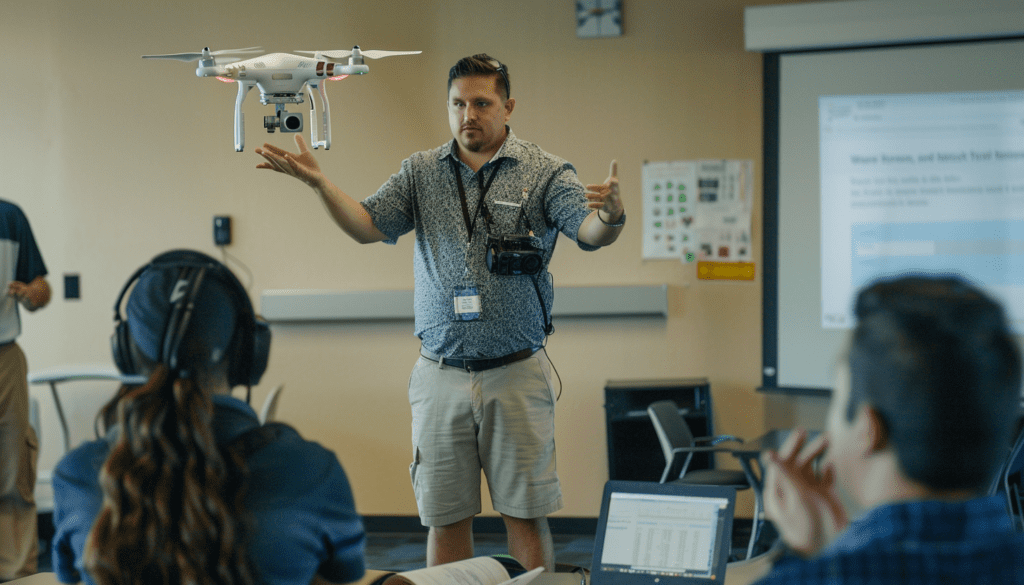
Prepare yourself for the FAA Part 107 Knowledge Test. Learn to fly, how to understand industry-standard flight systems, and most importantly, safe and legal flying practices. If you do not pass the FAA Part 107 exam after completing our training, we will either refund your training fee or retrain you at no additional cost.
DJI Mini 4K included!
Duration
$2,500
4.79 (5.4K Joined)
Advanced Aerial Inspections and Cinematography
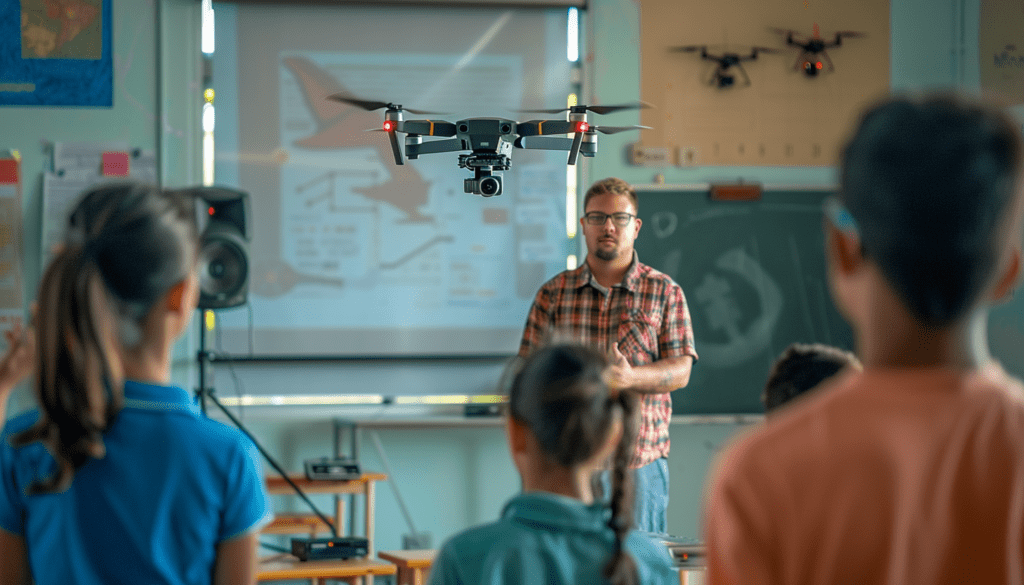
This one-day course teaches you advanced aerial photography and videography. All classes are taught by working professionals. Learn what it takes to get great shots for clients like Discovery Channel and National Geographic.
Duration
$1,000
4.96 (2.6K Joined)
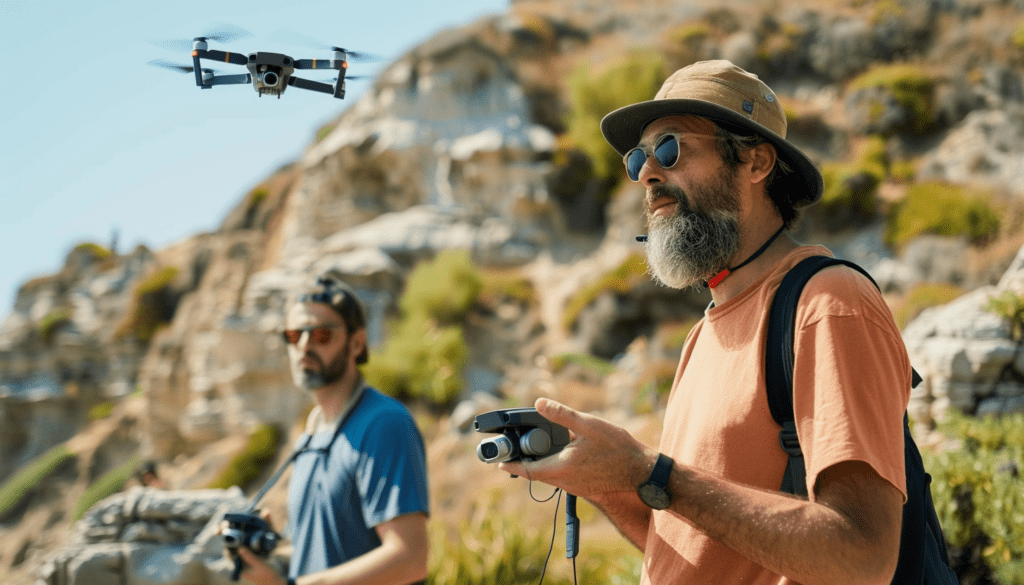
This one-day course teaches you all about GIS. You will learn everything you need to successfully collect usable data on your flights. We’ll guide you through planning and flying successful operations, programing flight patterns.
Duration
$1,000
4.87 (1.6K+ Joined)
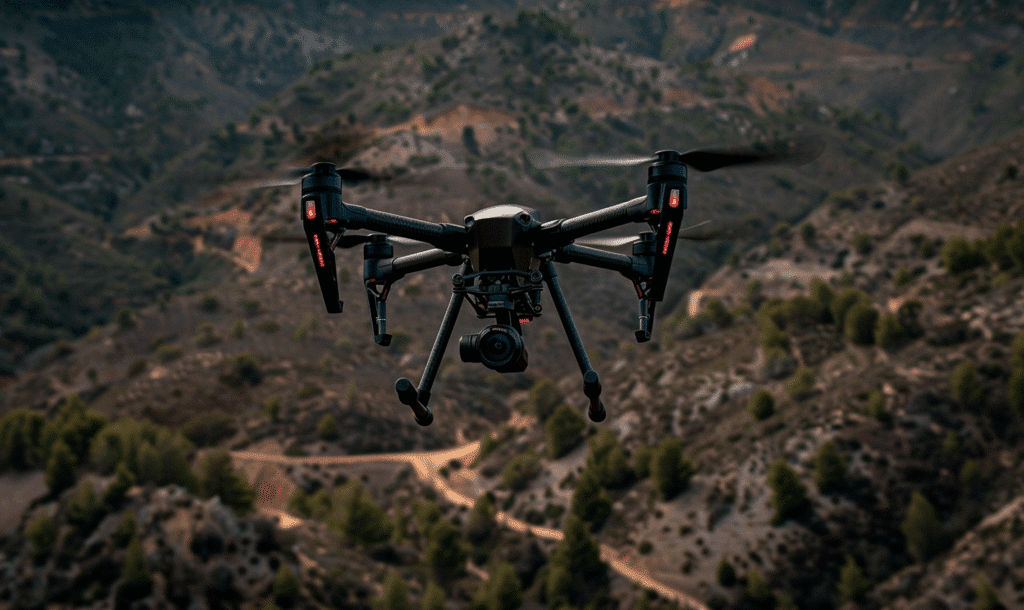
Drones in Agriculture
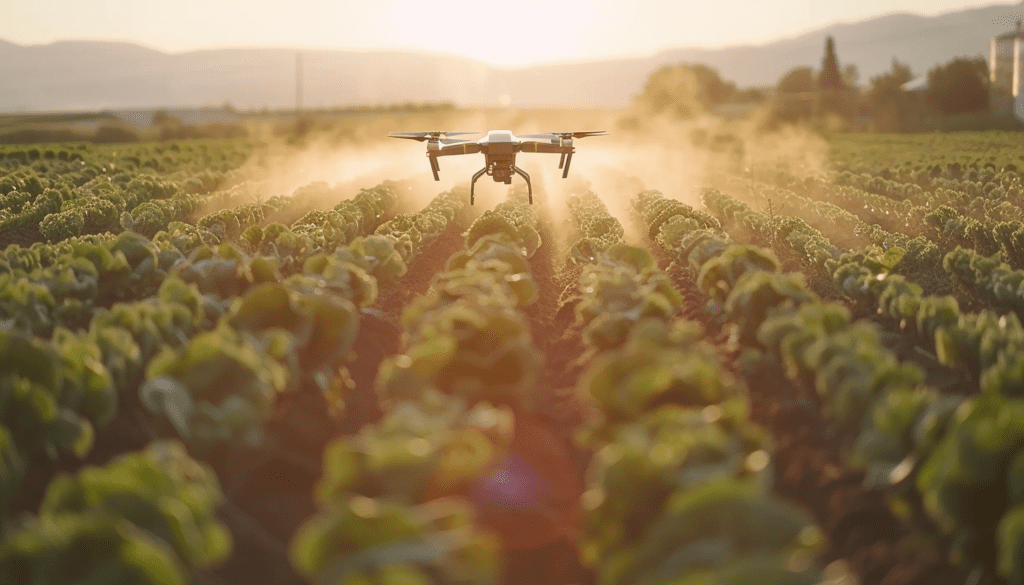
Join Drone Universities’ one-day Drones in Agriculture course. Learn precision flights, multispectral imaging, and field methodology to boost crop yield. Sign up now!
Duration
$1,000
4.92 (3.6K Joined)
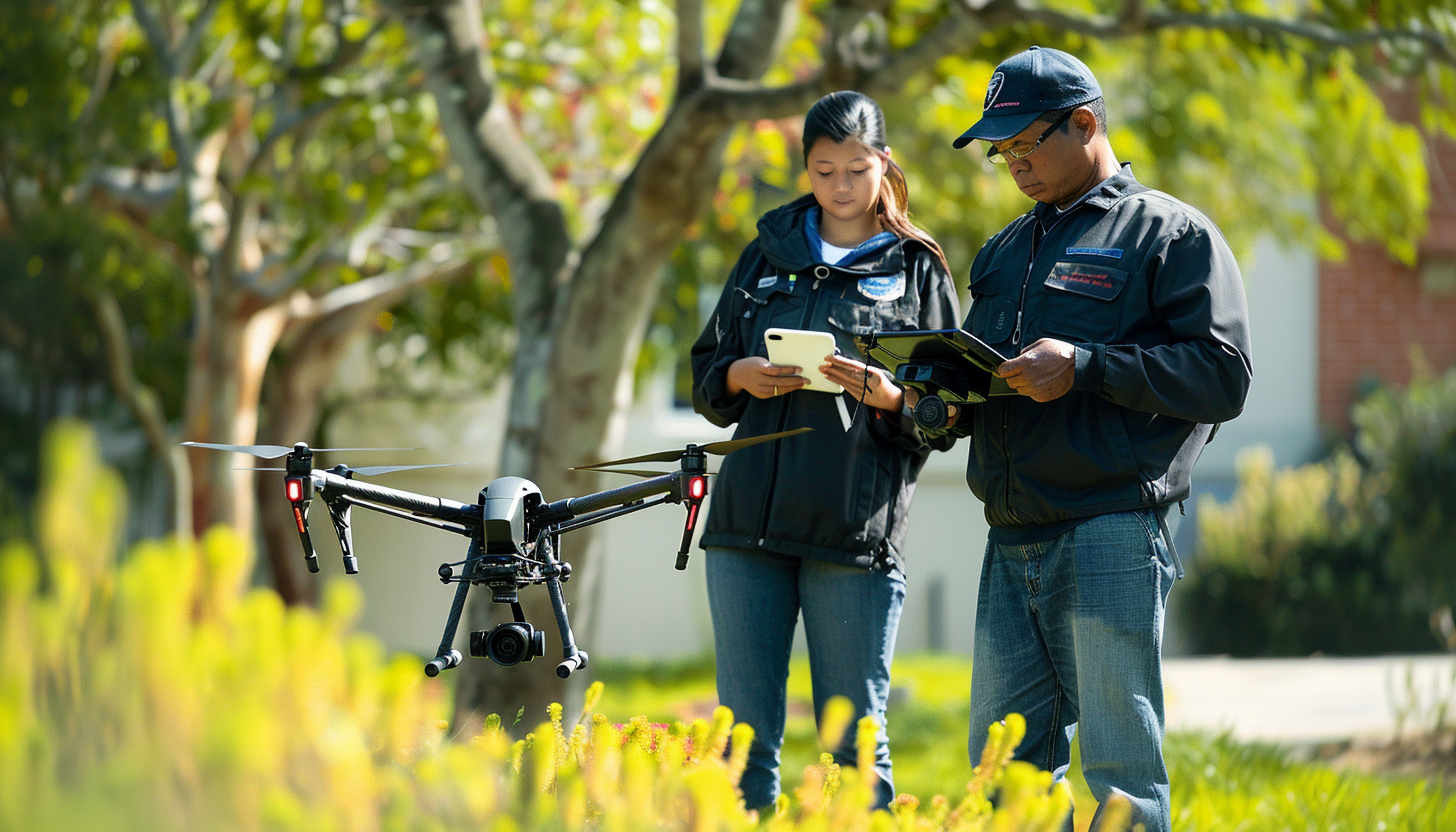
Drones for Construction and Inspection
Join Drone Universities’ one-day Drones for Construction and Inspection course. Learn drone mapping to reduce errors, save costs, and improve safety in construction and wildfire tracking.
Duration
$1,000
4.82 (2.6K Joined)
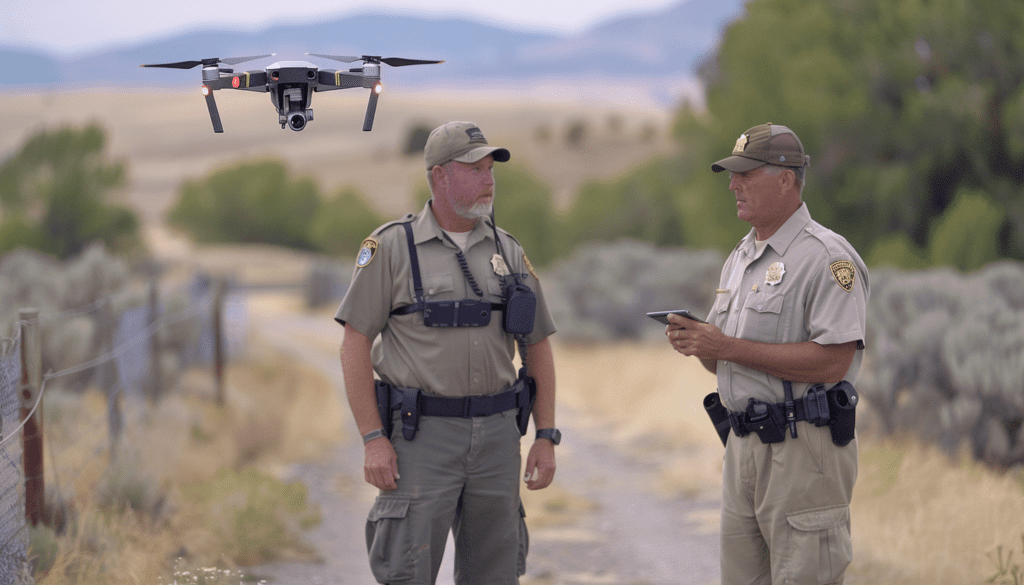
Drones for Public Safety and Transportation
Learn to use drones for infrastructure inspection and planning. Our one-day course improves public safety and transportation by saving time, money, and resources.
Duration
$1,000
4.82 (3.7K+ Joined)
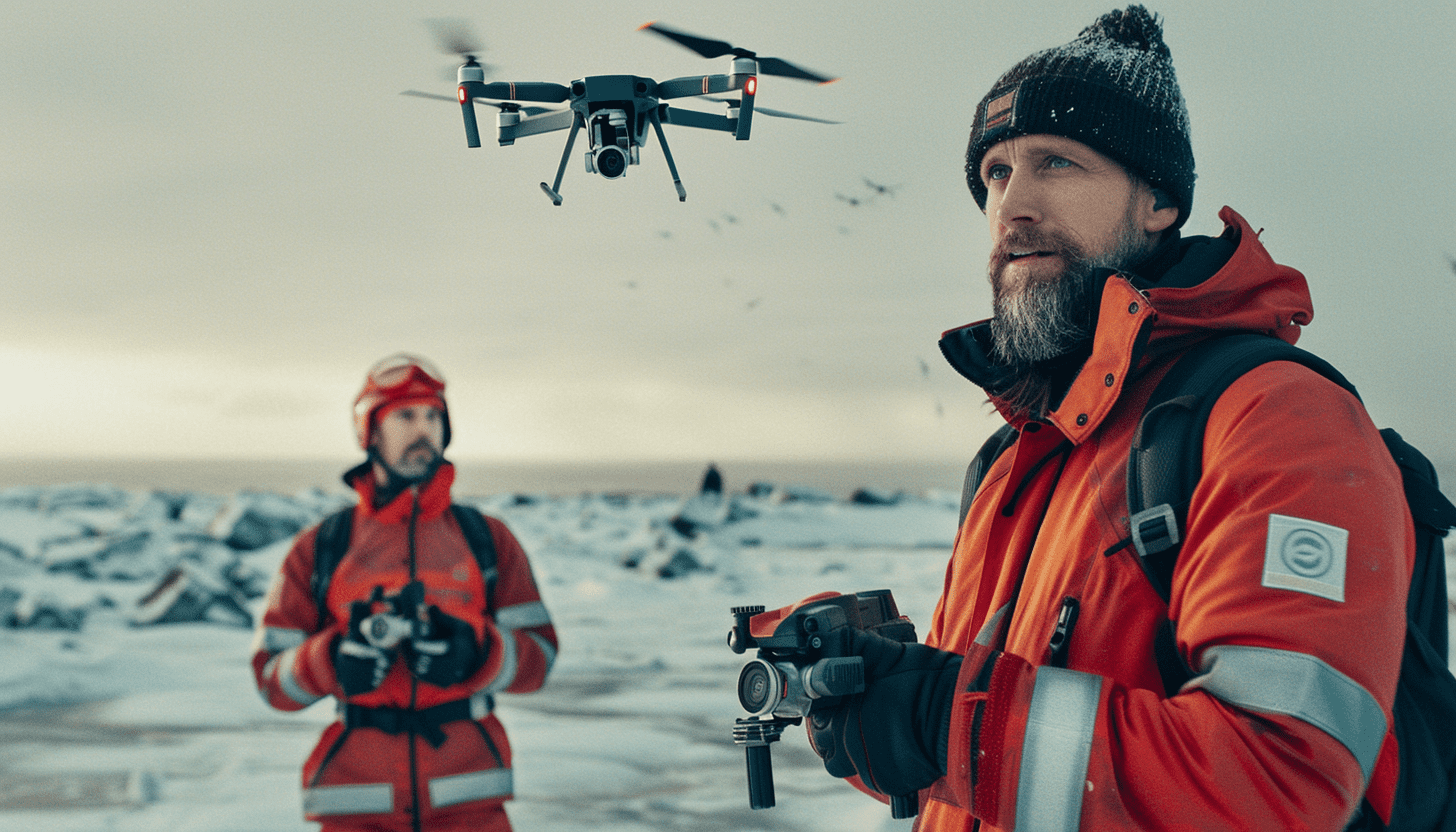
Drones in Law Enforcement
Join our one-day Drones in Law Enforcement course to learn tactical drone use for surveillance, accident investigation, and evidence collection. Enhance situational awareness and improve crime scene documentation. Sign up now!
Duration
$1,000
4.89 (3.8K Joined)
Drones for Search and Rescue
Join our one-day Drones for Search and Rescue course to learn efficient search techniques and night operations. Enhance your ability to quickly locate and save lost or injured individuals. Sign up now!
Duration
$1,000
How can a college add drone training?
A college can add drone training by bringing FAA Certified Flight Instructors to campus to teach Part 107 test preparation and hands-on flying, which the institution can then offer as part of a credit course, a workforce certificate, continuing education or faculty development. Students 16 and older can earn an FAA Remote Pilot Certificate, and accredited schools may also apply to the FAA UAS Collegiate Training Initiative.
Request training or call 1.818.255.0406.
Why colleges work with Drone Universities
Taught on your campus
Instructors travel to your institution, so students train in the same airspace where campus flights will happen.
Fits your academic calendar
Plan intensive sessions before a semester starts, during a term, or as summer and continuing education offerings.
Applied, discipline-specific skills
Add mapping, inspection, agriculture or aerial imaging days that connect to programs your departments already teach.
Faculty and staff included
Train the faculty who will supervise student flights and the facilities, athletics or communications staff who fly for the college.
Focused on the FAA knowledge test
The 2-day FAA Part 107 Training covers every subject area of the Unmanned Aircraft General test.
Who college drone training is for
Drones now show up across the curriculum, not only in aviation departments. We work with:
- Community and technical colleges building career and technical education or workforce certificates.
- Four-year universities with programs in engineering, geography and GIS, agriculture, construction management, environmental science, journalism and film.
- Continuing education and extension divisions that offer professional development to the public.
- Research groups that collect aerial data for field studies.
- Campus departments such as facilities, public safety, athletics and marketing, whose staff fly for the institution itself.
Working with high schools that feed your programs? See drone training for schools, or browse every audience on the drone training for organizations page.
Veteran services offices and career centers also use Part 107 training as a short, practical credential for students who want field work in surveying, inspection or media.
FAA rules for flying drones on a college campus
Campus drone flights fall under one of several FAA frameworks, and a good program makes the distinction clear to everyone who flies.
Students flying for coursework
Under 49 U.S.C. 44809, students at an accredited institution of higher education can fly as part of their coursework under the recreational exception. Each flyer passes The Recreational UAS Safety Test (TRUST), keeps the drone within visual line of sight, stays at or below 400 feet in uncontrolled airspace, and gets authorization before flying in controlled airspace. Drones weighing 250 grams or more must be registered, and registered drones must meet Remote ID rules. Educational institutions can also request an FAA-Recognized Identification Area (FRIA) for flying drones without Remote ID equipment.
Faculty, staff and research flights
Flights for research, facilities inspections, marketing, athletics video or any other institutional purpose are generally Part 107 operations. The pilot in command needs a Remote Pilot Certificate, which requires passing the FAA knowledge test at age 16 or older. Some public universities may instead operate as public aircraft under an FAA Certificate of Waiver or Authorization. Many campuses sit near airports, so LAANC authorization is a routine part of campus flying; check our guide to restricted airspace as well.
The FAA UAS Collegiate Training Initiative
The FAA UAS Collegiate Training Initiative (UAS-CTI) recognizes accredited, not-for-profit colleges and universities that offer a degree, minor or certificate focused on unmanned aircraft. Schools apply directly to the FAA. The FAA does not certify course content under UAS-CTI, so the quality of the curriculum and instructors remains the institution’s responsibility. That is where experienced instructors make the difference.
Program models that work on campus
- Semester kickoff intensive. A 2-day Part 107 course at the start of term gives every student in a class the same foundation before field assignments begin.
- Workforce certificate. Pair Part 107 Training with one or two specialty days, such as mapping or inspection, to create a short credential aligned with local employers.
- Continuing education course. Open seats to the community through your extension or lifelong learning office.
- Faculty and staff certification. Certify the instructors who will supervise student flights, plus campus staff who fly for operations.
- Research team readiness. Train graduate students and lab staff on safe data collection before a field season.
Academic credit, grading and enrollment remain with your institution. We provide the course topics and hours so your faculty can decide how the training fits a course, certificate or continuing education unit.
Curriculum for college drone programs
Courses come from the Drone Universities catalog and can be combined into a multi-day program:
- FAA Part 107 Training (2 days): regulations, airspace and sectional charts, weather, loading and performance, crew resource management and knowledge test preparation.
- Advanced GIS and Mapping (1 day): flight planning for photogrammetry, overlap, ground control and the data products used in GIS courses.
- Advanced Aerial Inspections and Cinematography (1 day): camera settings, composition and inspection imaging for film, journalism and engineering students.
- Drones in Agriculture and Drones for Construction and Inspection (1 day each): applied days for agriculture, construction management and civil engineering programs.
- Introduction to Drones: a starting point for first-year students and non-aviation majors.
For students thinking about careers, share our articles on career opportunities in drone technology and certifications beyond Part 107.
On-campus training in every state
Instructors come to colleges and universities in all 50 states, from community colleges in Texas to research universities in New York and Ohio. Training can use a classroom for instruction and an athletic field, parking structure roof or agricultural research plot for flight practice, subject to your campus policies and airspace. See course locations or learn how in-person training at your location works.
Request College Drone Training Programs
Tell us where your team is, how many people need training and what you need to fly. An FAA Certified Flight Instructor will come to you, in any of the 50 states.