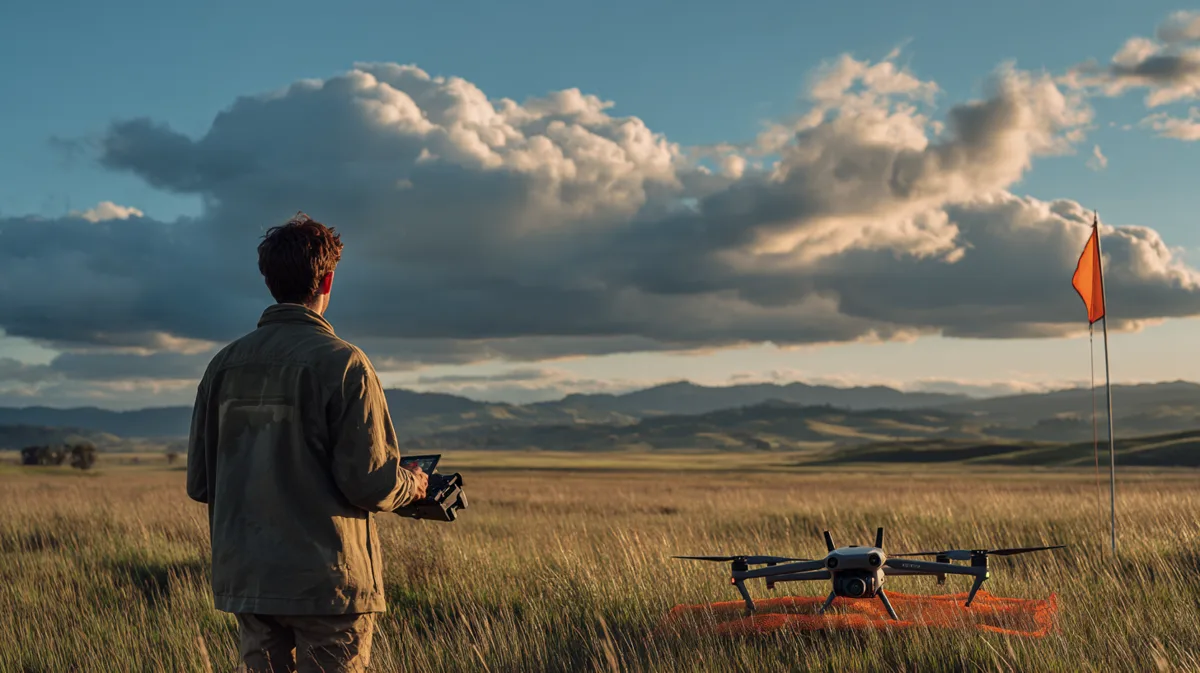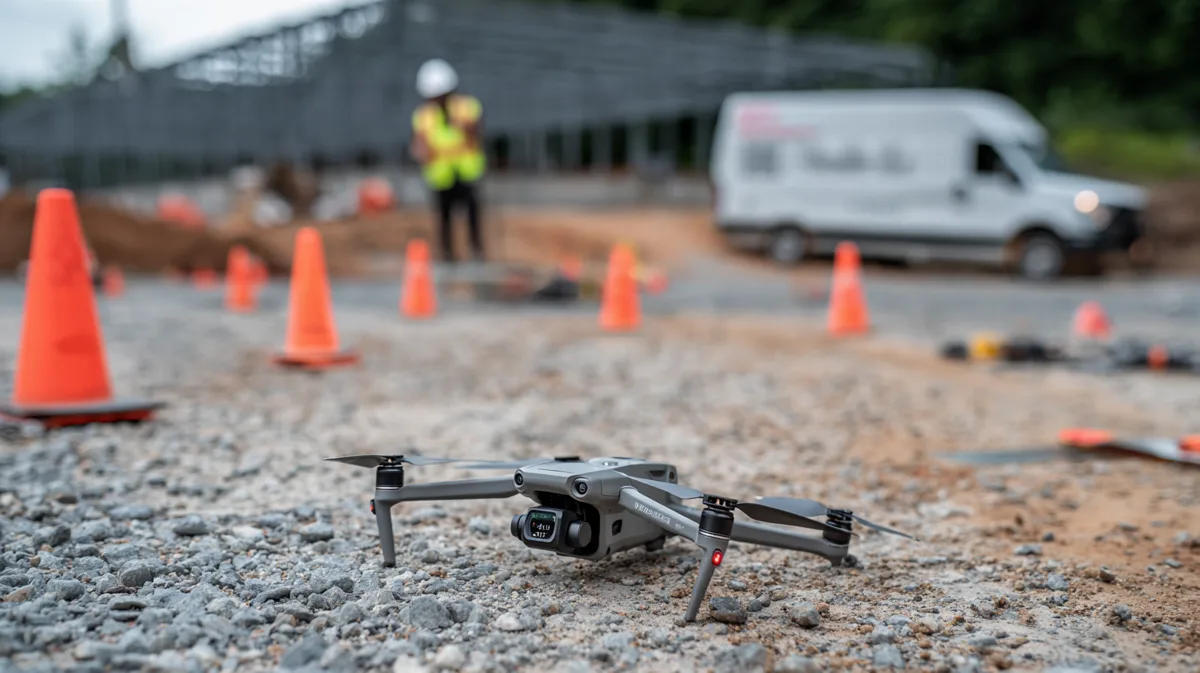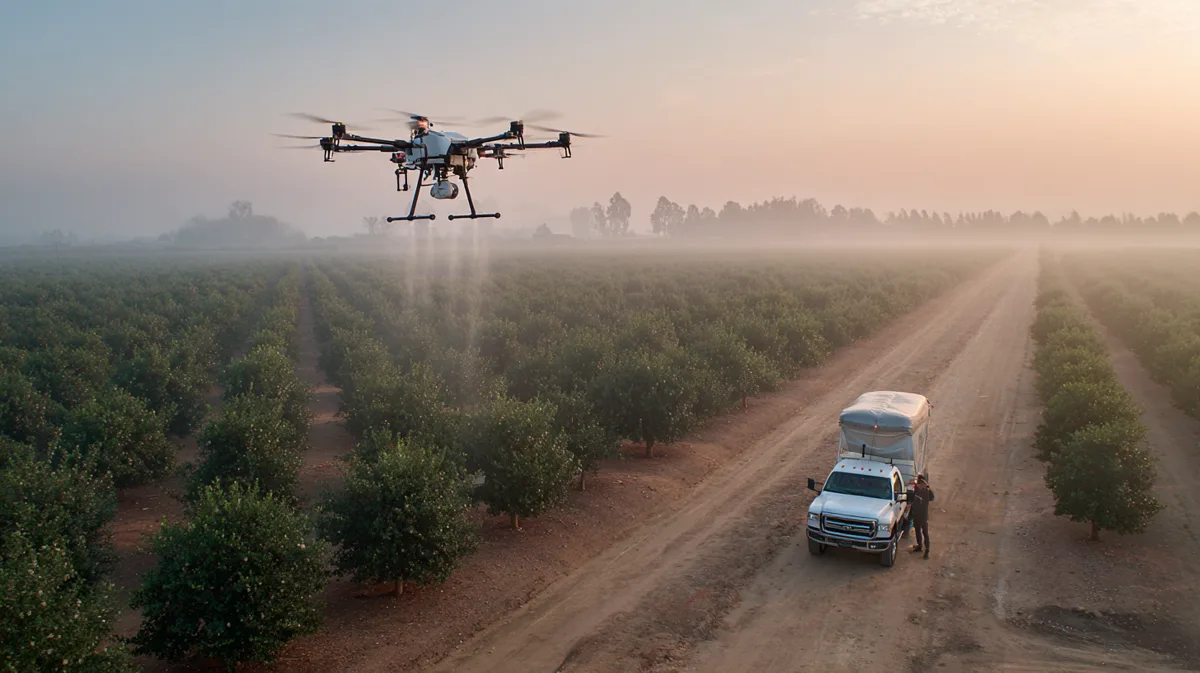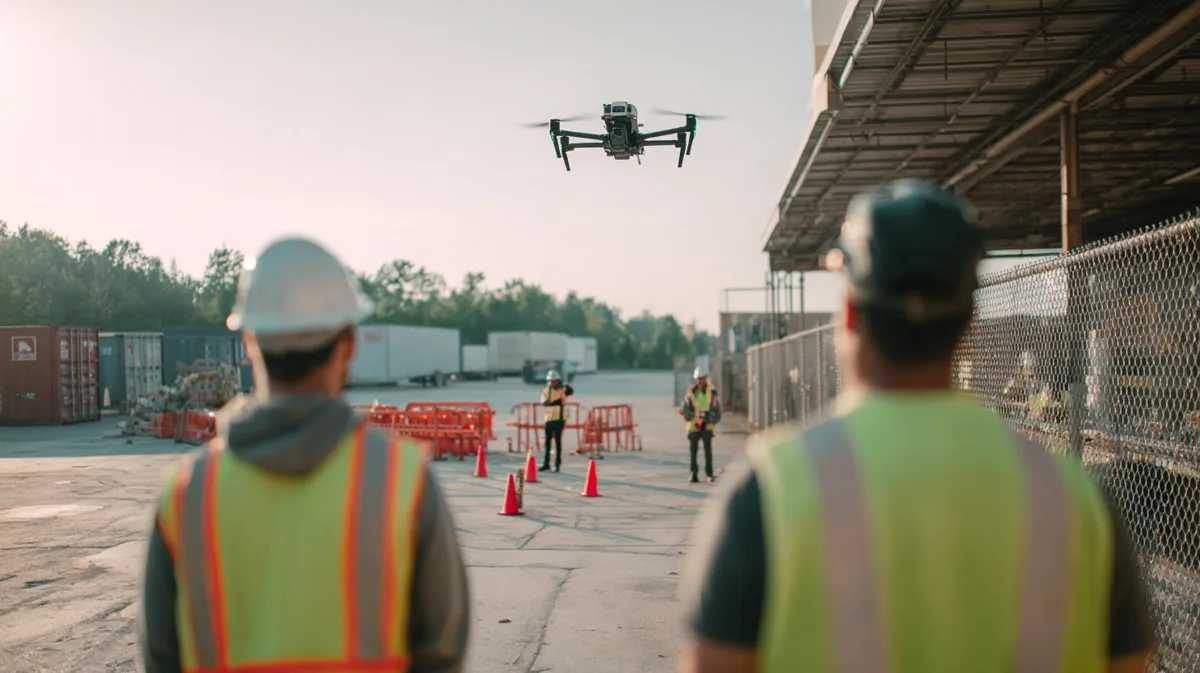
As drone technology becomes increasingly accessible, understanding insurance options has become a critical aspect of responsible drone ownership. Whether you’re flying for fun or profit, having the right coverage protects you financially against accidents, damage, and liability claims. This comprehensive guide breaks down the insurance landscape for drone pilots of all types.
Why Drone Insurance Matters
Drones, despite their sophisticated technology, remain vulnerable to crashes, technical malfunctions, and operator error. Even experienced pilots face risks:
- A sudden gust of wind can send your drone into a tree
- Signal interference might cause loss of control
- Battery failures can result in unexpected landings
- Collisions with property or people can lead to significant liability

The financial consequences of uninsured incidents can be substantial. A damaged $2,000 drone is unfortunate, but a liability claim for property damage or personal injury could potentially cost tens or hundreds of thousands of dollars.
Insurance Options for Recreational Drone Pilots
Homeowners or Renters Insurance
Many recreational pilots are surprised to learn their existing homeowners or renters insurance may provide limited coverage:
- Personal property coverage: May cover theft or damage to your drone while at home
- Limited liability protection: Some policies include incidental coverage for hobby activities
- Important limitations: Most policies exclude coverage for intentional acts or commercial use
Before assuming you’re covered, carefully review your policy or speak directly with your insurance agent. Many standard policies specifically exclude aircraft or have strict limitations on coverage.
Academy of Model Aeronautics (AMA) Membership
For recreational pilots in the United States, AMA membership provides valuable benefits:
- Liability coverage: Up to $2.5 million in coverage for property damage or bodily injury
- Medical coverage: Limited coverage for injuries to the member while flying
- Site owner protection: Coverage for locations where members fly
- Cost-effective option: Annual membership typically costs under $100
AMA coverage applies only to recreational flying that follows AMA safety guidelines and FAA regulations. Commercial operations are explicitly excluded.
Standalone Recreational Drone Insurance
Several companies now offer specialized policies for recreational drone pilots:
- On-demand coverage: Pay only for the hours you fly
- Annual policies: Continuous coverage for frequent flyers
- Hull insurance: Coverage for physical damage to your drone
- Liability protection: Coverage for damage to others’ property or injuries
Popular providers include Verifly (now Thimble), SkyWatch.AI, and DroneInsurance.com, with policies starting around $5-10 per hour for basic liability coverage.

Commercial Drone Insurance Options
For commercial operators, comprehensive insurance isn’t just recommended—it’s often required by clients and venues. Commercial policies typically offer higher coverage limits and broader protection.
Commercial Liability Insurance
The foundation of any commercial drone operation:
- Purpose: Protects against claims for property damage or bodily injury
- Coverage limits: Typically range from $1 million to $10 million
- Premium factors: Experience level, intended use, equipment value, and coverage limits
- Annual cost: Generally $500-$2,500 depending on coverage limits and risk factors
Many commercial clients require proof of liability insurance before contracting drone services, often with minimum coverage requirements of $1-2 million.
Hull Insurance (Equipment Coverage)
Protects your investment in drone equipment:
- Coverage scope: Physical damage, theft, and sometimes mechanical failure
- Deductibles: Typically $250-$1,000 depending on equipment value
- Replacement value: Policies may offer actual cash value or replacement cost
- Fleet coverage: Options for businesses with multiple drones
For commercial operators with expensive equipment, hull insurance provides peace of mind that a single accident won’t derail your business operations.
Payload Insurance
For operators using specialized equipment beyond standard cameras:
- Coverage for: Thermal cameras, LiDAR sensors, specialized lenses, delivery mechanisms
- Separate policies: Often requires additional coverage beyond basic hull insurance
- High-value protection: Essential for equipment that may cost more than the drone itself
Non-Owned Drone Insurance
For businesses that hire drone contractors:
- Purpose: Protects companies from liability when using third-party drone services
- Coverage gap: Addresses potential shortfalls in contractor insurance
- Client requirement: Often required by larger organizations when outsourcing drone work
Specialized Commercial Drone Insurance
The market now offers tailored policies for specific commercial applications:
- Media production insurance: For filmmakers and photographers
- Construction and inspection coverage: For industrial applications
- Precision agriculture policies: For agricultural drone operations
- Delivery service insurance: For drone delivery operations
On-Demand vs. Annual Policies
The drone insurance market has evolved to offer flexible coverage options:
On-Demand Insurance
- Pay-per-flight model: Coverage by the hour or day
- Mobile app convenience: Purchase coverage minutes before flying
- Cost-effective for occasional use: Typically $10-25 per hour for $1M liability
- Location-specific: Coverage based on your flight area’s risk profile
- Providers: Thimble (formerly Verifly), SkyWatch.AI, DroneInsurance.com
Annual Policies
- Continuous coverage: Protection regardless of flight frequency
- Cost-effective for regular operators: Lower per-flight cost for frequent flyers
- Consistent protection: No risk of forgetting to activate coverage
- Relationship benefits: Established relationship with an insurer if claims arise
- Providers: BWI Aviation Insurance, Transport Risk, Global Aerospace
Factors Affecting Drone Insurance Premiums
Insurance companies consider numerous factors when determining premiums:
- Pilot experience and certifications: Part 107 certification, flight hours, training
- Equipment value and type: More expensive drones cost more to insure
- Intended use: Higher-risk operations command higher premiums
- Coverage limits: Higher liability limits increase premium costs
- Claims history: Previous incidents may increase future premiums
- Safety protocols: Documented safety procedures may reduce premiums
- Geographic considerations: Operating in congested areas increases risk
Making a Drone Insurance Claim
If you experience an incident requiring an insurance claim:
- Document everything: Take photos of damage and the accident scene
- Report promptly: Contact your insurer immediately after the incident
- Preserve evidence: Keep damaged equipment for potential inspection
- Gather information: Collect witness statements and contact information
- Follow procedures: Complete all required claim forms thoroughly
- Cooperate fully: Provide any additional information requested by adjusters
Common Drone Insurance Exclusions
Be aware of what your policy might not cover:
- Intentional acts: Deliberate damage or misuse
- Racing or competitions: Many policies exclude competitive events
- War, terrorism, or nuclear incidents: Standard exclusions in most policies
- Regulatory violations: Flying in restricted airspace or without proper authorization
- Cyber liability: Data breaches or privacy violations
- Night flying: Some policies restrict coverage to daylight operations
- Beyond visual line of sight operations: May require special coverage
Conclusion
Whether you’re a weekend hobbyist or a full-time commercial operator, appropriate drone insurance provides essential protection against the financial risks associated with drone operations. Recreational pilots should at minimum consider liability coverage through AMA membership or on-demand policies, while commercial operators need comprehensive coverage tailored to their specific operations.
As the drone industry continues to evolve, so too will insurance options. Stay informed about changes in coverage availability, regulatory requirements, and best practices to ensure you maintain adequate protection. Remember that the right insurance policy isn’t just about compliance—it’s about protecting your financial future and the sustainability of your drone activities.
By understanding the coverage options available and selecting policies appropriate for your specific needs, you can fly with confidence knowing you’re protected against the unexpected.