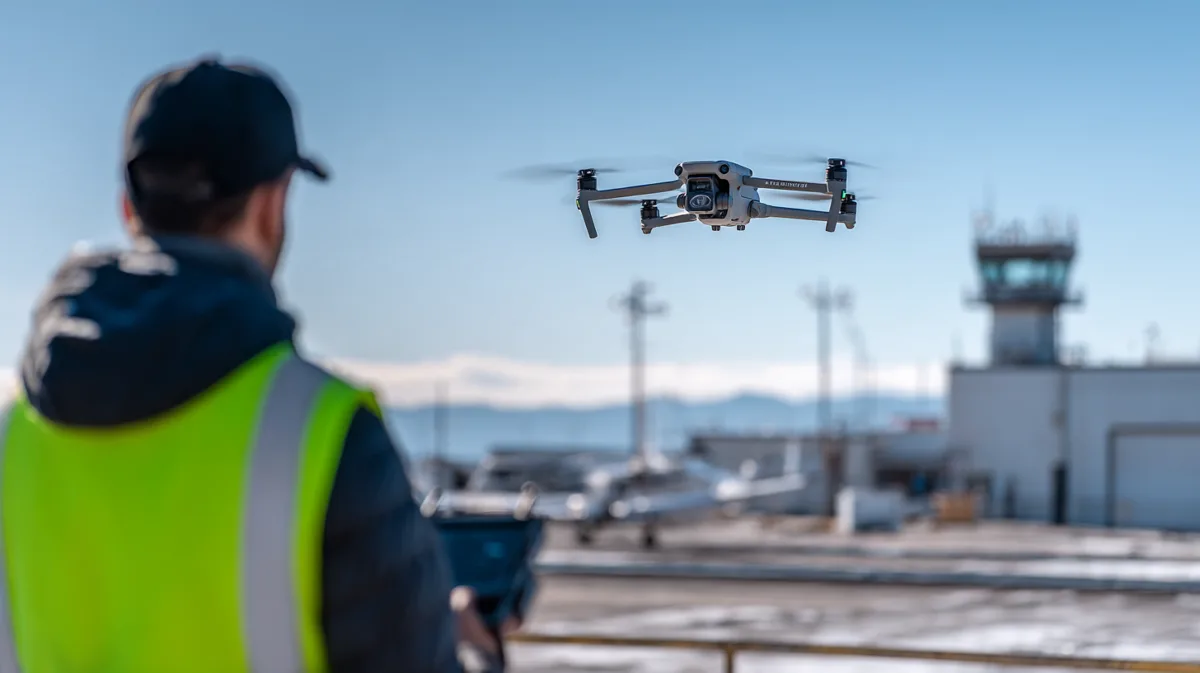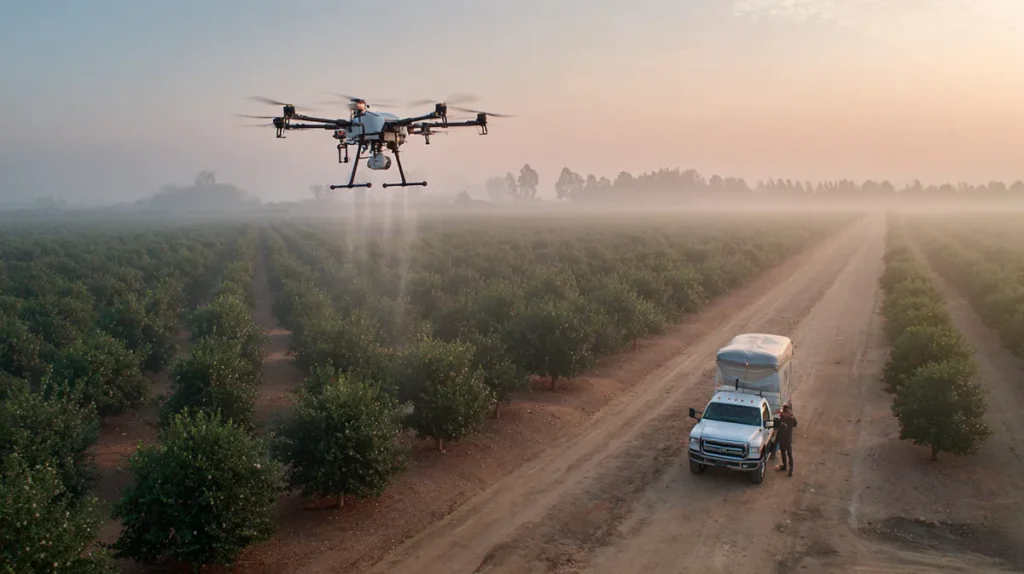
Part 137 drone certification is the FAA approval you need before using a drone to spray or spread crop protection products, fertilizer, seed or other agricultural materials. Under 14 CFR Part 137, no one may conduct agricultural aircraft operations without an Agricultural Aircraft Operator Certificate (AAOC). For drones, the FAA process has four steps: hold a Remote Pilot Certificate, register the aircraft, obtain a grant of exemption, and then submit FAA Form 8710-3 with your exemption number to receive the certificate. Pesticide applications are also subject to EPA and state pesticide laws, which can require an applicator license with an aerial category.
What Counts as an Agricultural Aircraft Operation?
Section 137.3 defines an agricultural aircraft operation as operating an aircraft to dispense any economic poison; to dispense any other substance intended for plant nourishment, soil treatment, propagation of plant life or pest control; or to engage in dispensing activities directly affecting agriculture, horticulture or forest preservation. Dispensing live insects is excluded.
An economic poison includes substances intended to prevent, destroy, repel or mitigate insects, rodents, nematodes, fungi, weeds and other pests, as well as plant regulators, defoliants and desiccants. The FAA also considers chemicals used as disinfectants for viruses to be economic poisons. In practice, this means the rule covers far more than herbicides and insecticides:
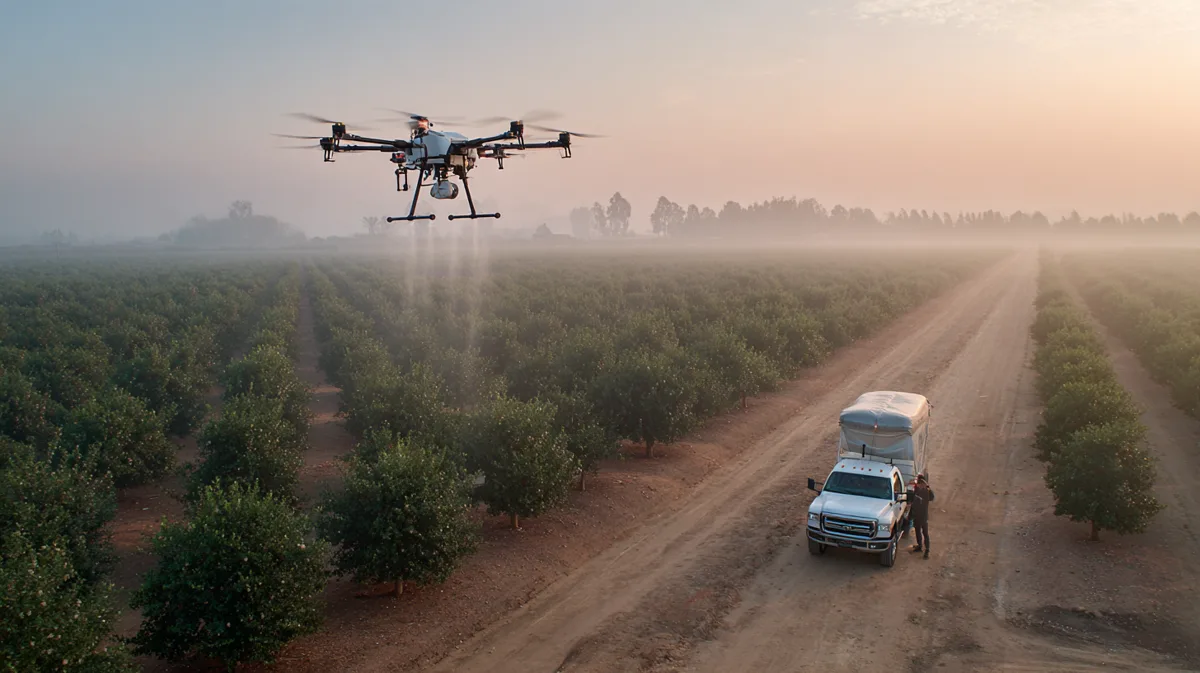
- Spraying fungicides, herbicides or insecticides on crops, orchards or vineyards.
- Spreading granular fertilizer or applying liquid nutrients.
- Broadcasting seed or cover crops, which supports the propagation of plant life.
- Dispensing disinfectants from the air.
Scouting a field with a camera or multispectral sensor is not dispensing, so for a drone under 55 pounds it stays under the normal Part 107 rules. The FAA advises operators to check first whether the substance they plan to dispense falls within the Section 137.3 definitions. Under Section 137.11, government agencies conducting agricultural operations with public aircraft do not need the certificate.
Which Rules Apply: The 55-Pound Line
The path to approval depends on the aircraft’s weight. Part 107 defines a small unmanned aircraft as one weighing less than 55 pounds on takeoff, including everything on board or attached. For a spray drone, that includes a full tank or hopper, so weigh the aircraft as it will actually fly.
| Aircraft weight at takeoff | Operating rules | Registration | Exemption needed |
|---|---|---|---|
| Less than 55 pounds, including the material being dispensed | 14 CFR Part 107 and Part 137 | FA-number through FAADroneZone | From Section 107.36 (carriage of hazardous material) and several Part 137 regulations |
| 55 pounds or more | 14 CFR Part 91 and Part 137 | N-number through the FAA’s Civil Aviation Registry (CARES) or by mail | From several regulations in Parts 61, 91 and 137 |
Drones Under 55 Pounds
Section 107.36 states that a small unmanned aircraft may not carry hazardous material, so spray operations under Part 107 require relief from that section through the exemption. All other Part 107 rules still apply unless the exemption says otherwise, including controlled airspace authorization, which many operators request through LAANC.
Drones of 55 Pounds or More
Heavier spray drones fall outside Part 107 and need an exemption under 49 U.S.C. 44807. The FAA states it will issue a blanket Certificate of Waiver or Authorization (COA) for flights at or below 400 feet in Class G airspace to operators holding a Section 44807 exemption, as appropriate. Work outside those conditions requires a separate COA application.
How to Get Part 137 Drone Certification: Step by Step
The FAA published a streamlined process for UAS applicants. Operators no longer submit documents to their local Flight Standards District Office; the certificate is handled centrally once the exemption is granted.
- Earn a Remote Pilot Certificate. FAA policy requires pilots in command for drone-only Part 137 operators to hold at least a Remote Pilot Certificate. A commercial pilot certificate is not required.
- Register each aircraft with an FA-number (under 55 pounds) or an N-number (55 pounds or more).
- Petition for an exemption through the Federal Docket Management System at regulations.gov. Under 14 CFR 11.63(d), file at least 120 days before you need the exemption to take effect, or before a current exemption expires.
- Provide basic operational information: the applicant’s full legal name and street address (a P.O. box is not accepted), the Chief Supervisor of Operations and contact details, the pilot in command’s name and certificate number, and each aircraft’s make, model, registration number and owner. If this is missing, the FAA sends a request for information and may close the petition.
- Apply for the AAOC. After the exemption is granted, complete FAA Form 8710-3 and email it with your exemption number to UAS137Certificates@faa.gov. The applicant name on the form must match the name on the exemption.
The FAA’s Part 137 UAS guidance lists what a petition must contain, and its Section 44807 page describes the supporting material, such as an operations manual, emergency procedures, checklists, a training program and a safety risk analysis.
Knowledge, Manuals and Pilot Requirements
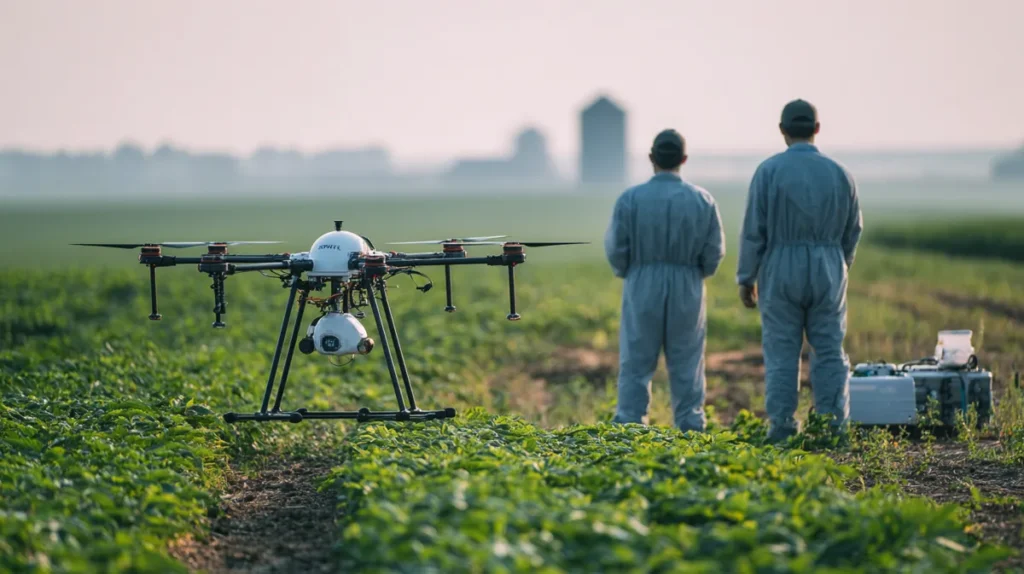
Part 137 requires the applicant, or a designated chief supervisor, to show satisfactory knowledge and skill in agricultural aircraft operations. For drone operators, current FAA policy allows these tests to be self-administered, but completion must be documented and shown to the FAA on request.
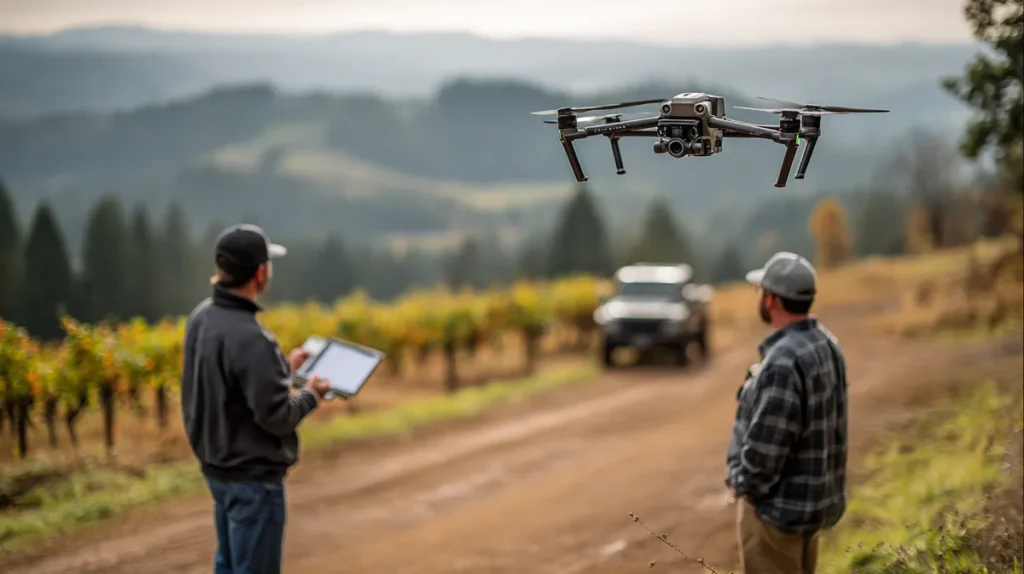
The knowledge test in Section 137.19(e)(1) covers:
- Steps to take before starting operations, including a survey of the area to be worked.
- Safe handling of economic poisons and proper disposal of used containers.
- General effects of economic poisons and agricultural chemicals on plants, animals and people, and the precautions to observe.
- Primary symptoms of poisoning, emergency measures and the location of poison control centers.
- Performance capabilities and operating limitations of the aircraft.
- Safe flight and application procedures.
When an exemption’s conditions and limitations require them, the operator must also maintain an operations manual and a training program. FAA policy lists topics such as safety risk management, adverse weather, flight planning, preflight and postflight duties, emergency and lost-link procedures, crew resource management, accident reporting, hazardous material handling and maintenance. Crew training must be documented.
On medical requirements, current FAA policy for these exemptions allows autonomously controlled agricultural drone operations without a medical certificate, but requires the pilot in command to hold a third-class medical certificate for night operations when the drone is not flown in an autonomous mode. Always read the conditions in your own grant of exemption, because they govern your operation.
Operating Rules That Apply in the Field
Unless your exemption provides relief, several Part 137 operating rules shape everyday spray work:
- No hazard on the surface. Section 137.37 prohibits dispensing any material in a manner that creates a hazard to persons or property on the surface.
- Follow the label. Section 137.39 prohibits dispensing a registered economic poison for an unregistered use, contrary to the safety instructions or use limitations on its label, or in violation of any federal law or regulation.
- Private certificates have limits. Under Section 137.35, a private certificate holder may not operate for compensation or hire, over a congested area, or over property in which the holder has no ownership or crop interest.
- Congested areas need advance approval. Section 137.51 requires prior written approval from the local governing body, public notice of the operation and a plan approved by the responsible Flight Standards office.
- Keep records. Commercial operators must record each customer’s name and address, the date of service, the name and quantity of material dispensed, and pilot details, and keep the records for at least 12 months under Section 137.71.
The FAA has also said it is validating exemption holders’ compliance and sending requests for basic operational information. Operators that do not respond risk having their petitions closed.
State Pesticide Licensing and Product Labels
FAA certification does not replace pesticide law. The EPA states that federal law requires anyone who applies or supervises the use of restricted use pesticides to be certified under EPA regulations and state, territorial or tribal law, and its certification standards require a specialized certification for aerial application of these products. Requirements vary by state. In Texas, for example, the Department of Agriculture requires licensed applicators who want to apply pesticides by drone to add the aerial category to their license, and the product label must not prohibit aerial application. Contact your state’s pesticide regulatory agency before quoting any spray work.
Common Part 137 Drone Certification Mistakes
- Spraying before the certificate is issued. A grant of exemption alone is not enough; you also need the AAOC.
- Ignoring the weight of the load. A full tank can move an aircraft across the 55-pound line and onto a different regulatory path.
- Filing too late. Plan around the 120-day petition timeline before the season starts.
- Assuming fertilizer or seed is exempt. Plant nourishment and propagation of plant life are part of the definition.
- Overlooking state licensing and label restrictions on aerial application.
Training for Agricultural Drone Teams
Every Part 137 drone operation starts with a qualified remote pilot. Drone Universities has trained pilots since 2014, and our FAA Certified Flight Instructors travel to clients anywhere in the United States for one-on-one or group training. New pilots can start with our in-person Part 107 test preparation. Growers, cooperatives and agricultural service providers can add the one-day Drones in Agriculture course, listed on our drone courses page, which covers precision flight, multispectral imaging and field methodology. For background on how farms use drones, read our overview of drones for agriculture.
Companies training several crew members together can arrange corporate drone training at their own site. To book a session, request training online or call 1.818.255.0406.
Frequently Asked Questions
Do I need a Part 137 certificate to spray with a drone?
Yes, if the operation meets the Section 137.3 definition of an agricultural aircraft operation, such as dispensing pesticides, fertilizer, seed or disinfectants. Drone operators also need a grant of exemption before applying for the certificate.
Is a Remote Pilot Certificate enough to fly a spray drone?
It is the minimum pilot certificate the FAA requires for pilots in command of drone-only Part 137 operators, but it is not sufficient on its own. The operator also needs a registered aircraft, a grant of exemption and an AAOC, plus any state pesticide applicator license that applies to the products being used.
How long does the process take?
Under 14 CFR 11.63(d), you should submit a petition for exemption 120 days before you need it. The certificate application follows after the exemption is granted, so start well before the spraying season.
Has Part 108 replaced this process?
No. The FAA proposed Part 108 for beyond visual line of sight operations, including agricultural operations, in August 2025, but no final rule had been published as of October 2026. Until a final rule takes effect, the exemption and AAOC process described above applies.